Let’s be honest for a second. When most people start planning a trip to Ladakh, their Pinterest boards and Instagram saved folders are completely dominated by one specific image: the breathtaking, electric-blue waters of Pangong Lake. Thanks to a certain blockbuster Bollywood movie, it has become the undisputed poster child of Ladakh tourism.
But here is the thing about Ladakh – it is massive, diverse, and endlessly surprising. If you only visit Pangong Lake, you are essentially reading the first page of a magnificent novel and putting the book back on the shelf. The region is a high-altitude tapestry of cold deserts, ancient monasteries, surreal lunar landscapes, and some of the highest motorable passes on the planet.
So, grab your favorite cup of butter tea (or regular chai, we don’t judge), and let’s dive into the ultimate guide to the 15 most spectacular places in Ladakh that exist beyond the famous blue waters of Pangong.
1. Nubra Valley & Hunder Sand Dunes
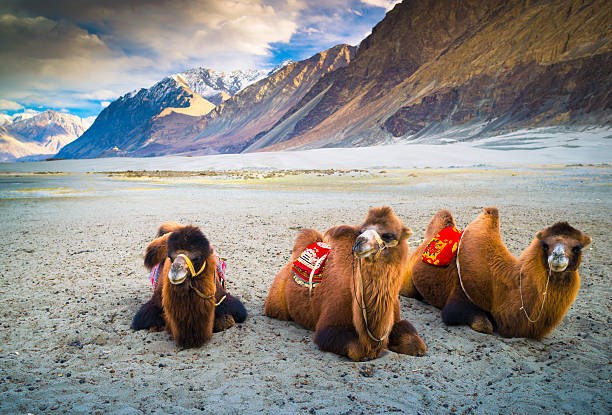
If you want to experience a geographical paradox, Nubra Valley is your destination. Nestled over the Khardung La pass, this lush, green valley is home to the Hunder Sand Dunes, a stunning cold desert where towering, golden sand dunes sit right at the foot of snow-capped Himalayan peaks. It feels like two different worlds colliding. The highlight here is riding the endangered, double-humped Bactrian camels across the dunes at sunset. The valley is also famous for its apricot orchards and the serene, turquoise waters of the Shyok River. It’s a place where time seems to slow down, and the sheer scale of nature puts all your worldly worries into perspective.
2. Tso Moriri Lake
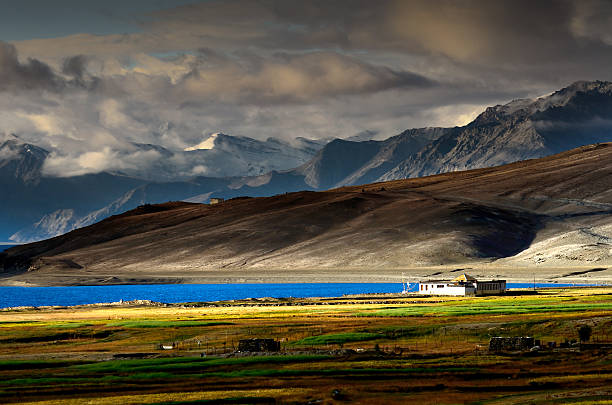
Often living in the shadow of its more famous sibling, Tso Moriri is actually a favorite among seasoned travelers and photographers. Located in the remote Changthang region at an altitude of over 15,000 feet, this high-altitude lake is a designated wetland conservation reserve. Unlike Pangong, which can get incredibly crowded, Tso Moriri offers a profound sense of solitude. The water shifts in color from deep azure to emerald green depending on the time of day. The highlight of visiting here is the small, traditional village of Korzok on its banks, where you can stay in a local homestay, eat authentic Ladakhi food, and experience the nomadic Changpa culture firsthand.
3. Khardung La Pass
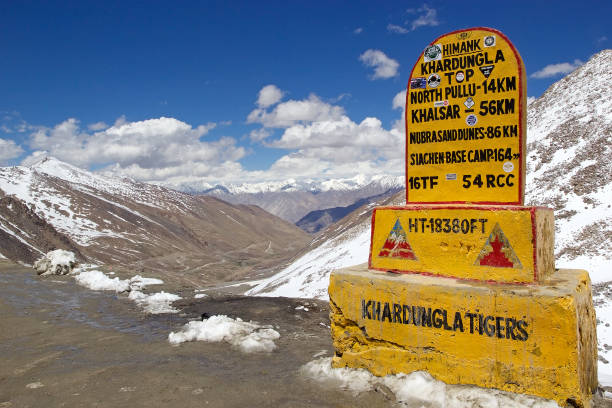
You cannot talk about Ladakh without mentioning Khardung La. For decades, it was officially marketed as the highest motorable pass in the world. While modern surveys have technically placed a few other passes slightly higher, Khardung La (sitting at a staggering 17,985 feet) still holds the crown in the hearts of bikers and road-trippers. The journey up is a thrilling test of endurance, with the air growing noticeably thinner as you climb. Reaching the top is a massive ego boost. You’ll be greeted by a flurry of prayer flags, a small cafe serving Maggi noodles and tea, and a signpost begging you to take a selfie. Just remember to take your photos quickly and head down, the extreme altitude here is no joke!
4. Magnetic Hill
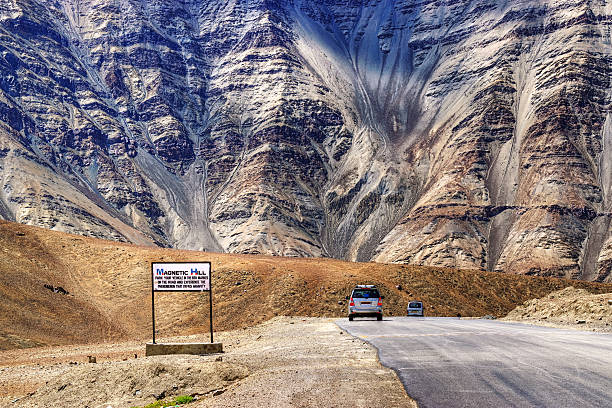
Located about 30 kilometers from Leh, Magnetic Hill is one of the most fun and quirky optical illusions you will ever experience. Situated at the confluence of the Indus and Zanskar rivers, this stretch of road appears to have a downward slope, but it actually has a slight upward gradient. If you turn off your engine and put your car in neutral, your vehicle will seemingly defy gravity and roll uphill at speeds of up to 20 km/h. It’s a fantastic, lighthearted stop that breaks up the long drives. While scientists attribute it to a clever optical illusion caused by the surrounding landscape, locals and tourists alike love to marvel at the “magnetic” pull of the hill.
5. Sangam (Confluence of Indus and Zanskar Rivers)
Nature’s artistry is on full display at Sangam, located near the village of Nimmu. This is the exact spot where the muddy, silt-heavy Indus River meets the crystal-clear, turquoise Zanskar River. The contrast in the colors of the two water bodies is striking, creating a beautiful swirl of blue and brown that is highly photogenic. Beyond its visual appeal, Sangam holds deep spiritual significance for locals. It’s a peaceful spot where you can sit by the water, listen to the rushing currents, and watch the local fishermen cast their nets. It’s also a popular starting point for winter river rafting on the frozen Zanskar.
6. Shanti Stupa
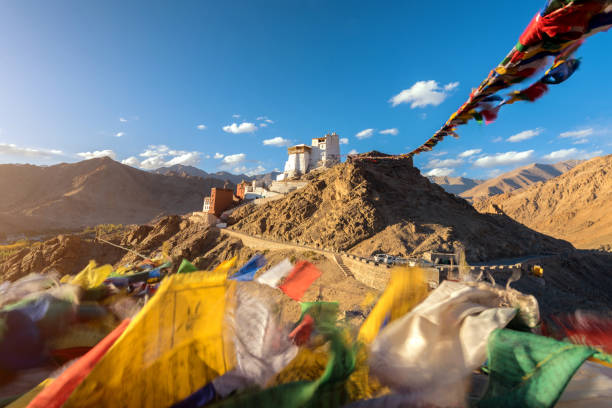
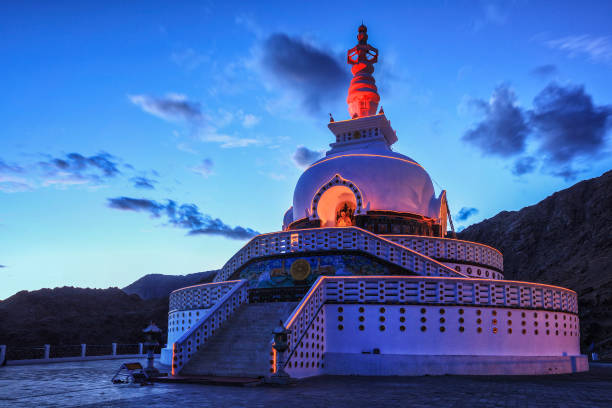
Perched on a hilltop in Changspa, just a couple of kilometers from Leh town, the Shanti Stupa is a brilliant white domed structure that radiates pure tranquility. Built by Japanese and Ladakhi Buddhists to promote world peace, the stupa offers some of the most panoramic, unobstructed views of Leh town and the surrounding Stok Kangri mountain range. The best time to visit is during sunrise or sunset. Watching the sky turn shades of pink, orange, and purple over the stark, barren mountains while the evening chants echo from the stupa is a deeply moving, almost spiritual experience.
7. Leh Palace
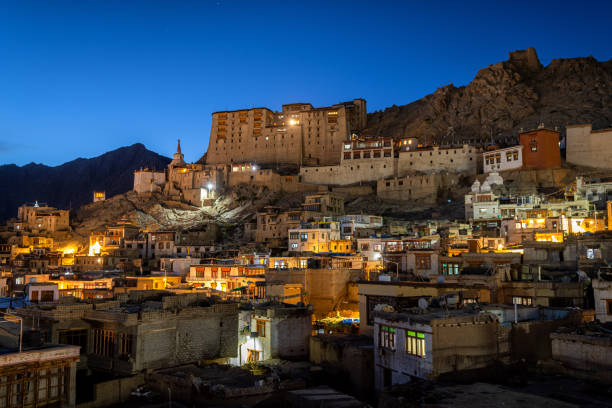
Before the grand Potala Palace was built in Lhasa, there was the Leh Palace. Constructed in the 17th century by King Sengge Namgyal, this nine-story architectural marvel was once the royal residence of the Namgyal dynasty. Today, it stands as a magnificent, albeit partially ruined, testament to Ladakh’s rich history. Climbing to the top of the palace requires a bit of a hike through narrow, ancient corridors, but the reward is worth it. From the rooftop, you get a bird’s-eye view of the entire Leh valley, the winding Indus river, and the majestic Stok Kangri peak. It’s a must-visit for history buffs and architecture lovers.
8. Thiksey Monastery
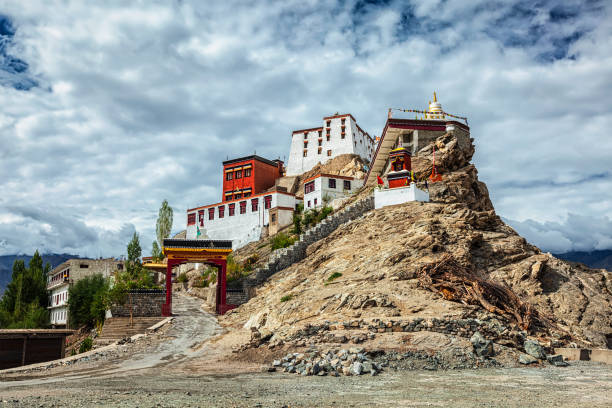
If you only have time to visit one monastery in Ladakh, make it Thiksey. Perched majestically on a hill overlooking the Indus Valley, this 15-story complex is often referred to as the “Mini Potala Palace” due to its striking architectural resemblance to the famous Lhasa palace. Thiksey is a living, breathing monastery, home to hundreds of monks. If you wake up early enough to attend the morning prayers, you’ll be mesmerized by the deep, resonant chanting of the monks, the smell of burning juniper, and the flickering butter lamps illuminating the ancient murals. The view of the valley from the monastery courtyard is absolutely breathtaking.
9. Hemis Monastery
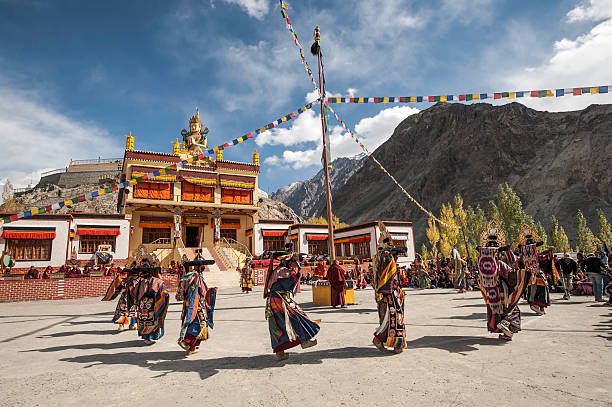
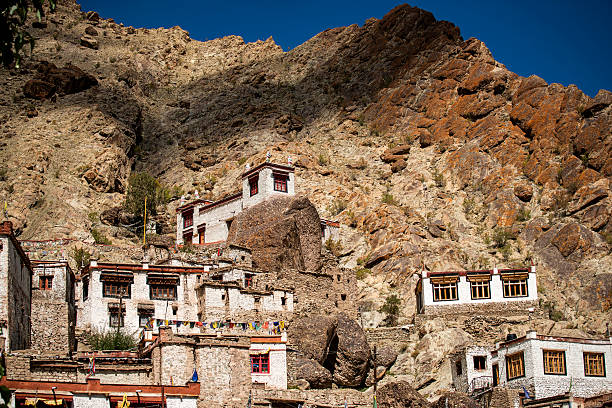
Hidden in a narrow gorge about 45 kilometers from Leh, Hemis is not only the largest but also the wealthiest monastery in Ladakh. Founded in the 17th century, it belongs to the Drukpa lineage of Buddhism. The monastery is a treasure trove of ancient artifacts, including a massive collection of old thankas (Tibetan Buddhist paintings), intricate statues, and a library of sacred texts. The real magic of Hemis happens in the summer during the Hemis Festival, where monks perform vibrant, masked Cham dances to commemorate the birth of Guru Padmasambhava. Even if you visit on a quiet day, the sheer scale and peaceful ambiance of the complex are awe-inspiring.
10. Lamayuru (The Moonland)
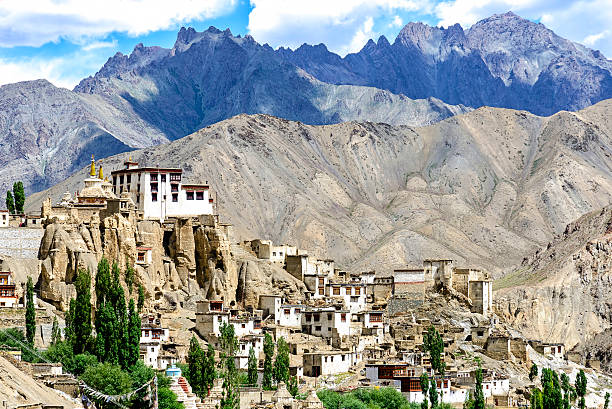
As you drive west from Leh towards Kargil, the lush green valleys suddenly give way to a surreal, barren landscape that looks exactly like the surface of the moon. This is Lamayuru, famously known as “Moonland.” The geological formations here are a photographer’s dream, with deep gorges, eroded cliffs, and shifting shadows that change the landscape’s appearance by the hour. Sitting atop this lunar terrain is the Lamayuru Monastery, one of the oldest and largest in Ladakh. The contrast between the stark, alien geography and the vibrant, ancient monastery creates a visual experience that you won’t find anywhere else on Earth.
11. Turtuk Village
For a long time, Turtuk was completely off-limits to tourists because of its proximity to the Line of Control (LoC) with Pakistan. It was only opened to civilians in 2010, making it a relatively new and incredibly fascinating destination. Turtuk is the last village in India before the border, and it offers a unique cultural experience. Unlike the rest of Ladakh, the villagers here are of Balti descent, and the culture, food, and architecture have a distinct Central Asian flavor. Walking through the village, you’ll see lush green apricot and walnut orchards, traditional wooden houses, and incredibly warm, welcoming locals. It feels like stepping into a hidden, time-capsule valley.
12. Diskit Monastery
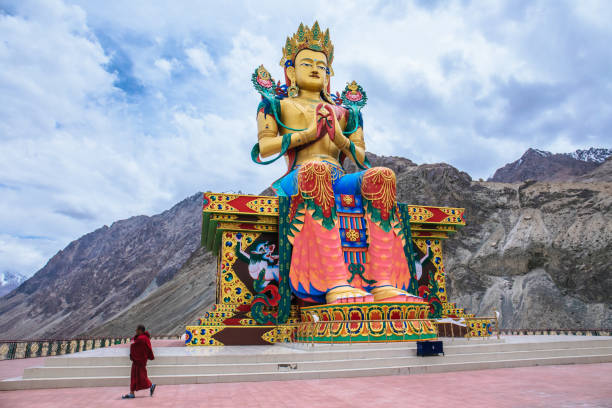
When you enter the Nubra Valley, the first major settlement you hit is Diskit, and its towering monastery is impossible to miss. Founded in the 14th century, Diskit is the oldest and largest monastery in the Nubra region. The highlight of this site is the massive, 100-foot-tall statue of Maitreya Buddha (the future Buddha) that overlooks the valley. The statue was built in the 1980s and is a striking landmark against the rugged mountain backdrop. Climbing up to the monastery offers sweeping views of the Diskit village, the Shyok River, and the surrounding desert mountains. It’s a serene spot to sit, reflect, and soak in the high-altitude silence.
13. Hall of Fame
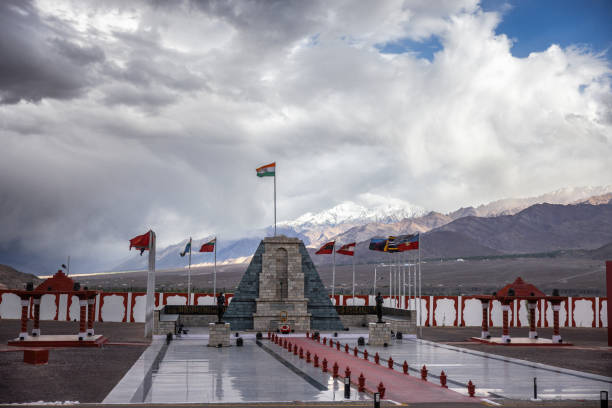
While Ladakh is famous for its natural beauty, its human history is equally compelling, and the Hall of Fame in Leh is the perfect place to understand it. Built and maintained by the Indian Army, this museum is a deeply moving tribute to the soldiers who have sacrificed their lives defending the nation’s borders, particularly in the brutal conditions of the Siachen Glacier. The museum houses captured Pakistani weapons, photographs, and personal belongings of martyred soldiers. It also features a fascinating section on the geology, flora, and fauna of Ladakh. It’s an emotional, educational, and highly respectful stop that adds a profound layer of context to your trip.
14. Gurudongmar Lake
If you are chasing extreme altitudes and pristine beauty, Gurudongmar Lake is the ultimate destination. Sitting at a mind-boggling 17,800 feet near the Tibetan border, it is one of the highest lakes in the world. The lake is considered sacred by both Sikhs and Buddhists. According to legend, Guru Nanak Dev Ji visited the lake, and a portion of it remains unfrozen even in the harshest winters. The drive to Gurudongmar is challenging, passing through rugged, rocky terrain and extreme cold, but the moment you see the crystal-clear, turquoise waters surrounded by snow-covered peaks, every bump in the road is forgotten. Note: You need a special permit to visit, and it’s not recommended for those with severe heart or respiratory conditions.
15. Chang La Pass
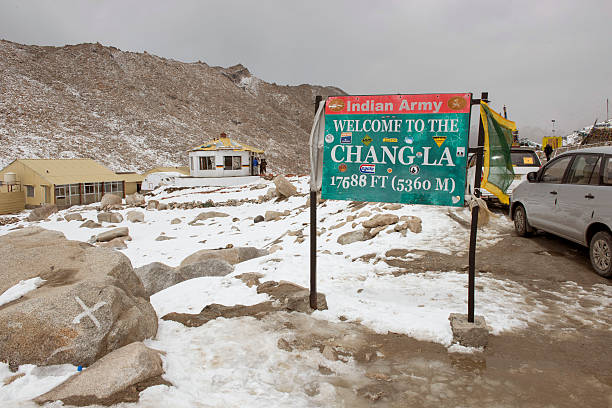
Often overshadowed by Khardung La, Chang La is the second-highest motorable pass in the region, sitting at an altitude of 17,586 feet. The pass connects the Leh valley to the Changthang region and is a crucial route for travelers heading to Pangong Lake or Tso Moriri. The landscape here is stark, dramatic, and often covered in snow, even in the summer months. A major highlight of Chang La is the ice cave located near the pass, which is maintained by the Indian Army. Stopping here to experience the freezing, sub-zero temperatures inside the cave is a thrilling adventure. Like all high passes, the key here is to respect the altitude, take your photos, and keep moving.
Final Thoughts: Embrace the Journey
Ladakh is not a destination where you simply “check off” a list; it is a place that seeps into your soul. While Pangong Lake is undoubtedly beautiful, the true magic of this region lies in its vast, untamed diversity. It’s in the quiet chants of the monks at Thiksey, the surreal landscapes of Lamayuru, the warm smiles of the Balti people in Turtuk, and the biting, exhilarating wind at the top of Khardung La.
When you plan your trip, give yourself the gift of time. Don’t rush from one spot to the next just to tick boxes. Take a moment to sit by the Sangam, watch the sunset over the Shanti Stupa, and let the sheer scale of the Himalayas humble you.
So, the next time you start mapping out your Ladakh itinerary, look beyond the blue waters of Pangong. The rest of the region is waiting to show you its secrets, and trust me, it’s going to be the adventure of a lifetime.