
When you think of Himachal Pradesh, what comes to mind? Snow-capped peaks, winding mountain roads, and cozy cafes? While those are undeniable highlights, there’s a quieter, equally great side to this Himalayan state that often goes unnoticed: its wetlands.
As a travel planner who loves digging deeper into destinations, I’m glad to guide you through the blue gems of Himachal. These aren’t just bodies of water; they are vital ecosystems, birdwatcher’s paradises, and now, potential stars on the global conservation stage.
Here is the story of Himachal’s wetlands, the prestigious Ramsar tags they hold, and the fun new sites waiting for recognition.
I. What Exactly is a Ramsar Site?
Before we pack our bags, let’s understand the significance. Wetlands are areas where water covers the soil or is present near the surface for varying periods. Basically, they are the kidneys of the field, filtering water and supporting life.
The Ramsar Convention is an international treaty dedicated to the conservation and sustainable use of these areas. When a site gets this tag, it means it’s recognized globally for its ecological value.
Look, himachal Pradesh, a biodiversity hotspot in the Himalayas, is currently home to three designated Ramsar sites, But here’s the news: the state has identified six more wetlands poised for potential inclusion. This could soon make Himachal a leading destination for eco-tourism in India.
II. The Big Three: Current Ramsar Sites You Can Visit
If you’re planning a trip focused on nature and tranquility, these three sites are already on the map. Here’s what you need to know about each.
1. Pong Dam Lake (Maharana Pratap Sagar)
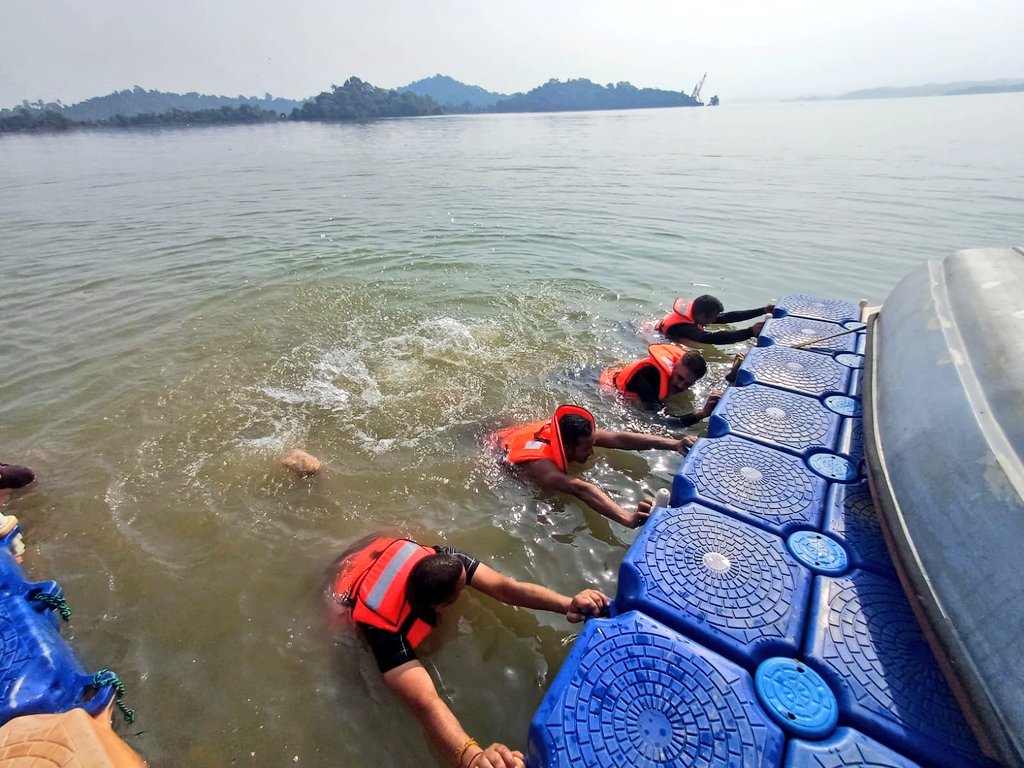
Planner’s Tip: Visit between November and February for the best birdwatching. The weather is cool (5°C to 15°C), so pack warm layers. The nearest railhead is Pathankot, about 90 km away.
Status: Ramsar Site since 2002.
Size: A massive 15,662 hectares.
The Experience: This is a destination for birdwatchers. Every year, the state government conducts an annual bird census here. During winter, thousands of migratory birds arrive from Siberia and Central Asia.
Recent Highlights: Surveys have spotted species like the Common Song Thrush and Uncommon Thrush, proving its value as a seasonal habitat.
2. Chandertal Wetland
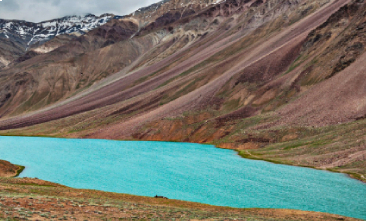
Status: Ramsar Site since 2005.
Size: 49 hectares.
The Experience: Located at a high altitude in the Spiti Valley, Chandertal (Moon Lake) is known for its unique hydrological features. The crescent shape is stunning against the barren field.
Planner’s Tip: This is for the adventurous! It’s accessible only during summer months (June to September) as the road closes due to snow in winter. You’ll need to trek the last bit, so wear sturdy boots. Permits are required for non-locals, so check current policies before you go.
3. Renuka Wetland
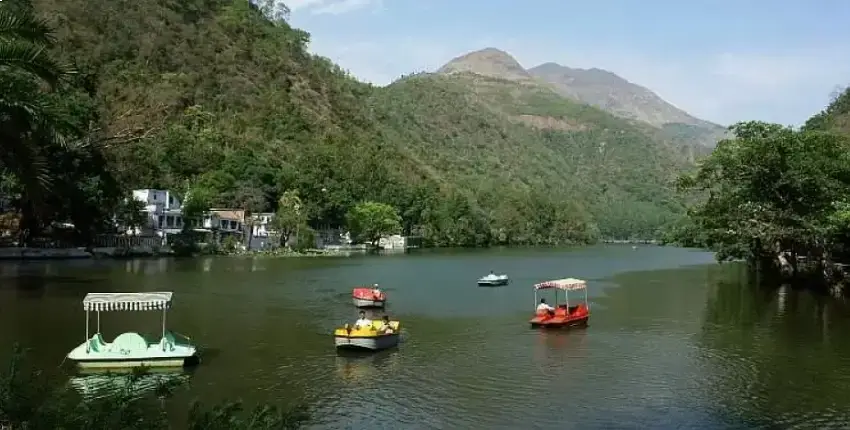
Status: Ramsar Site since 2005.
Size: 20 hectares.
The Experience: Named after the goddess Renuka, this is the largest natural lake in Himachal. It is a crucial congregation site for waterbirds.
Planner’s Tip: Located in the Sirmaur district, it’s easily accessible from Delhi (about 315 km). The Renuka Ji Fair held in November is a cultural highlight if you want to mix ecology with local tradition.
III. The Rising Six: Potential Ramsar Sites
hanks to recent government disclosures, we know that six more wetlands are being shortlisted based on nine international criteria. These spots are already popular with tourists, but the Ramsar tag would bring stricter conservation and global recognition.
- Rewalsar (Mandii): Known for its religious significance and floating island of reeds.
- Prashar (Mandi): Famous for its deep blue waters and the ancient Prashar Temple and lake. It holds rich biodiversity and hydrological value.
- Khajjiar (Chamba): Often called the “Mini Switzerland of India,” it’s recognized for ecological uniqueness and as a habitat for rare species.
- Manimahesh (Chamba): Manimahesh a sacred lake near the Kailash peak, emphasizing waterbird congregation and biodiversity.
- Bhrigu (Kullu): A high-altitude lake supporting endangered species and significant hydrological functions.
- Nako (Kinnaur): A high-altitude wetland with immense potential for eco-tourism and conservation.
Note: While these are popular tourist spots, a Ramsar tag may change access rules to protect the ecosystem. Always check local guidelines before visiting.
IV. What Does It Take to Get the Tag?
You might wonder, what makes these six special? According to information shared in the Lok Sabha by Union Minister Kirti Vardhan Singh (in response to a question by MP Anurag Singh Thakur), these sites were shortlisted based on nine internationally recognized criteria.
These include:
- Ecological uniqueness.
- Biodiversity richness.
- Support for waterbird congregations.
- Habitats for rare or endangered species.
- Hydrological significance.
It’s not just about beauty; it’s about the science of survival for countless species.
V. Why Should Travelers Care?
As travelers, we often seek beauty, but understanding the ecology enhances the experience. Wetlands in Himachal act as biodiversity hotspots, regulate water flow, prevent floods, and provide homes for migratory birds.
However, they face challenges:
- Climate Change: Altering water levels and temperature.
- Human Encroachment: Construction and waste near sensitive zones.
- Sustainable Management: Balancing tourism with conservation.
The government is stepping up with initiatives like regular bird censuses and parliamentary discussions on conservation, But responsible tourism starts with us.
VI. Recent Developments & Future Prospects
The recent disclosure on Monday regarding the six potential sites is a game-changer. Ongoing surveys, such as the avifaunal survey at Pong Dam Lake during winter, are gathering the data needed to secure these tags.
What does the Ramsar tag mean for you?
Funding: More resources for conservation means cleaner sites and better facilities.
Enhanced Protection: Less chance of illegal construction around the lake.
International Recognition: Better signage, guides, and awareness.
VII. In Summary: A Call to Explore Responsibly
Expanding Himachal’s Ramsar sites from three to nine would be a massive boost to the state’s environmental profile. It promises a future where tourism and nature coexist harmoniously.
As you plan your next Himalayan getaway, consider adding one of these wetlands to your itinerary. Whether it’s watching a migratory bird at Pong or trekking to Chandertal, remember that you are a guest in these ecosystems.
Let’s commit to:
- Leaving no trace (carry back your waste).
- Respecting restricted zones.
- Supporting local conservation efforts.
Himachal’s wetlands are waiting to tell their stories. Let’s ensure they have a future worth sharing.
🎒 Planner’s Quick Notes for Your Trip
Best Time to Visit: For low-altitude wetlands (Renuka, Pong), visit October to March. For high-altitude ones (Chandertal, Nako, Bhrigu), stick to June to September.
Transportation: Most sites are accessible by road. Private taxis are reliable, but for high-altitude areas like Chandertal, check road openness status daily.
Weather Advice: Himalayan weather is unpredictable. Even in summer, nights can be cold at high altitudes. Carry rain gear and warm layers regardless of the season.
Policy Note: Conservation rules and permit requirements for protected areas can change. Always verify current entry policies with local tourism offices before departure.
Safe travels and happy birdwatching!
Leave a Reply