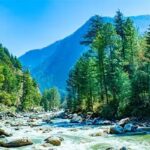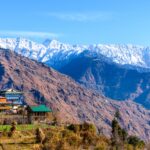
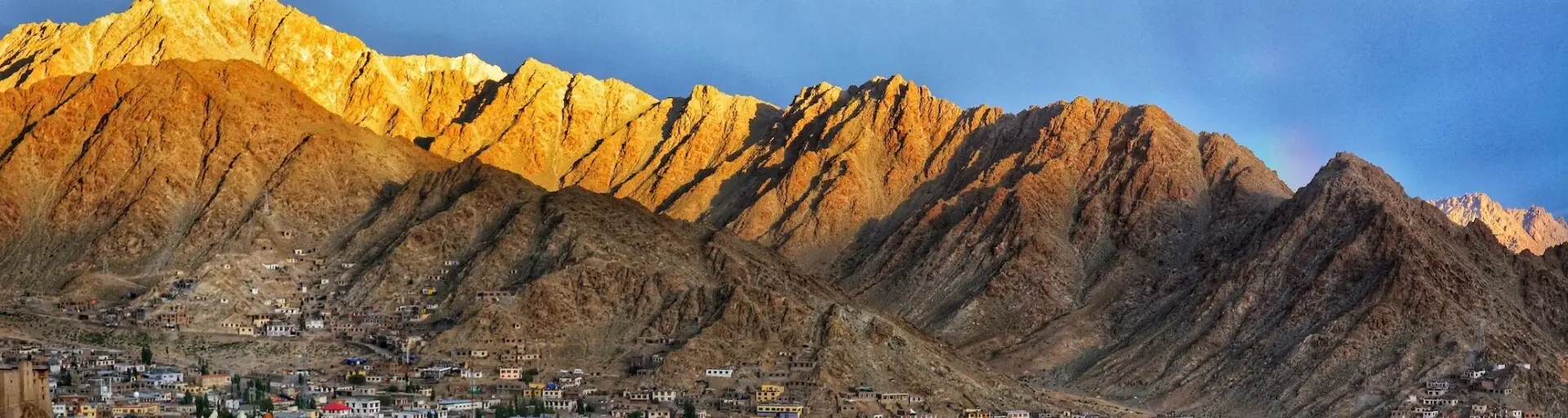
If there is any place in India that still feels like a dream you can walk through, it’s Ladakh. Jagged snow-draped peaks, cobalt lakes that shift colour with every passing hour, ancient monasteries perched on cliffs, and villages that bloom like oases in a cold desert; Ladakh is less a destination and more a feeling. Ladakh is a breathtaking region known for its dramatic landscapes, ancient monasteries, and vibrant culture, the different attire reflected in Ladakh culture. The places that please the mind and body, are refreshing and close to heart. There is a long list of attractions in Leh Ladakh.
This guide brings you the 10 best places to visit in Ladakh and everything you should know to experience them fully. Whether you’re an adventurer, a photographer, a culture seeker, or someone simply looking for silence and stars, this is where your Ladakh journey truly begins.
#1. Leh: Gateway to the Land of High Passes
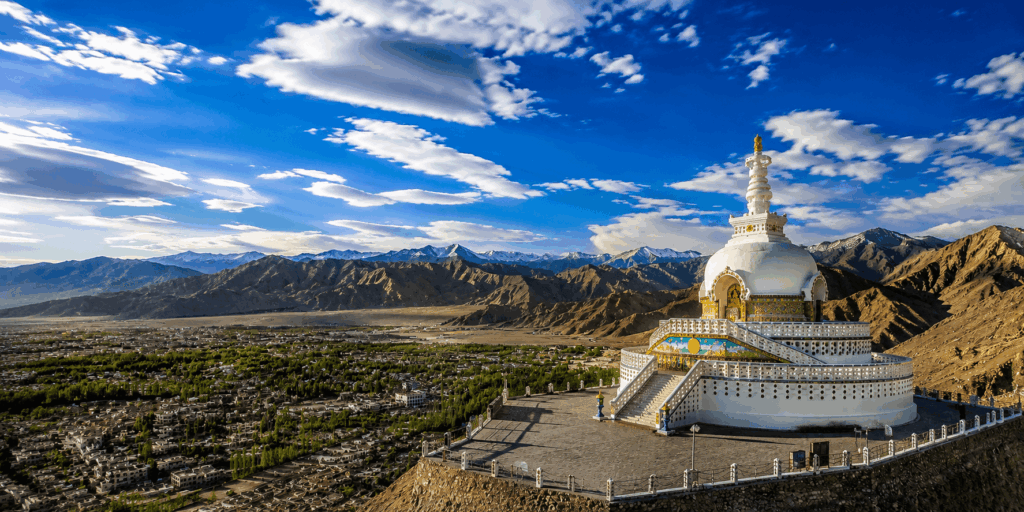
Leh is where most Ladakh journeys begin—and often where travellers lose their hearts. Set against a backdrop of rugged mountains and big open skies, Leh is a charming mix of old-world lanes, bustling bazaars, rooftop cafés, and historic monasteries.
Spend your first couple of days here to acclimatize and get a feel of the region.
What to experience:
- Walk slowly, breathe deeply, and let your body adjust to the altitude—this is your base camp for the adventures ahead.
- Stroll through Leh Market, sip butter tea, and try local Ladakhi dishes like thukpa and skyu.
- Visit Shanti Stupa at sunrise or sunset for sweeping views of the town bathed in golden light.
- Explore Leh Palace and Namgyal Tsemo Gompa for a glimpse into Ladakh’s royal and spiritual heritage.
#2. Pangong Lake: A Living Canvas of Changing Colours
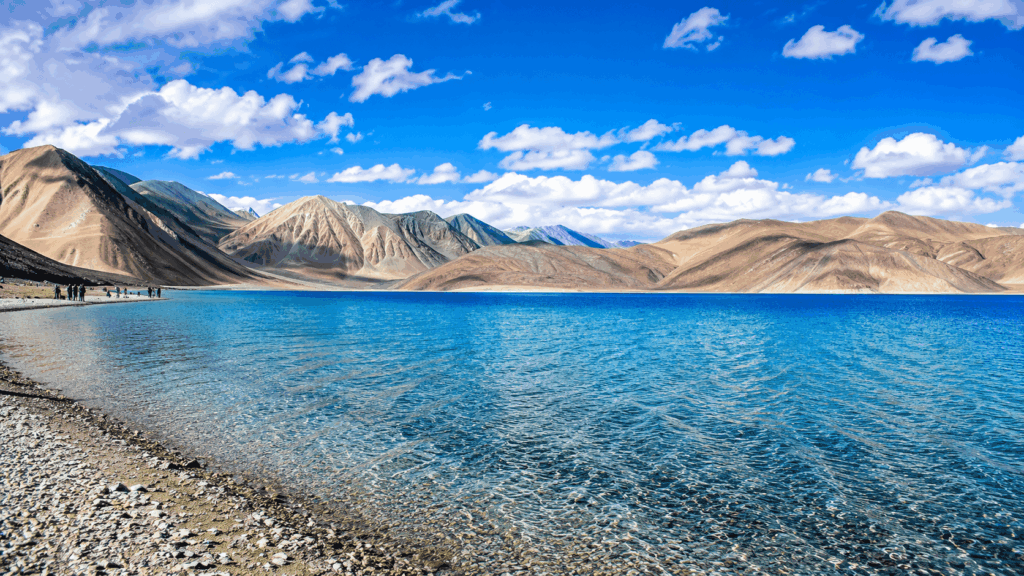
You’ve seen it in photographs and films—but nothing prepares you for your first real look at Pangong Lake. Stretching across India and into Tibet, this high-altitude lake shimmers in impossible shades of blue, turquoise, and sometimes even purple, depending on the light.
Imagine sitting by the water as the sun dips behind the mountains, the sky turning pink and orange while the lake mirrors it in surreal shades. It feels like watching the world repaint itself in front of you.
Travel tips:
- Keep at least one full day (and one night) at Pangong to watch the changing colours from morning till evening.
- Nights can be very cold, even in summer, so pack proper winter layers, gloves, and caps.
- Stay in camps or homestays near the lake and wake up early to see the first light touch the water.
- Respect the fragile ecosystem—no littering, no loud noise, and no disturbing wildlife.
#3. Nubra Valley: Desert, Rivers, and Oasis Villages
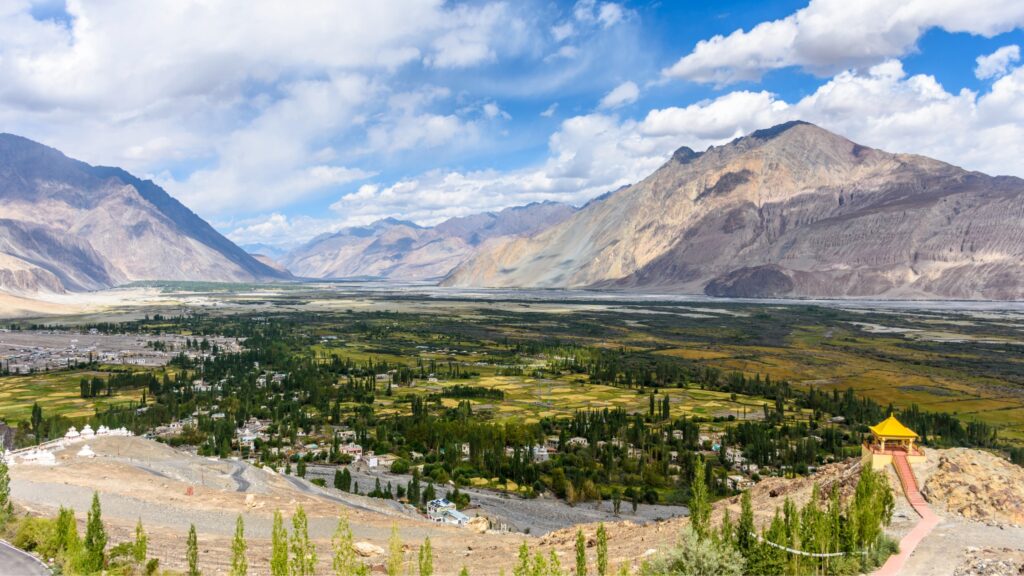
Nubra Valley feels like a world inside a world. To reach it, you cross dramatic mountain passes and descend into a landscape where sand dunes, rivers, and green villages coexist beneath towering peaks.
Here, the cold desert at Hunder, with its sweeping dunes and double-humped Bactrian camels, feels like a slice of Central Asia tucked into the Himalayas.
Highlights:
- Take a gentle camel ride across the sand dunes of Hunder at sunrise or sunset.
- Visit Diskit, the largest village in Nubra, and stand before the majestic Maitreya Buddha statue gazing serenely over the valley.
- Wander through tiny villages with apricot and apple orchards, and experience the warmth of Ladakhi hospitality.
- At night, step out and look up—the starry skies in Nubra are unforgettable.
Essential notes:
- Nubra lies close to the border, so permits are required. Get these arranged in Leh before travelling.
- Good shoes are important for walking on sand, village lanes, and monastery steps.
- Try local food and talk to the locals; Nubra’s charm is as much about its people as its landscapes.
#4. Tso Moriri Lake: Silence, Solitude, and Migratory Birds
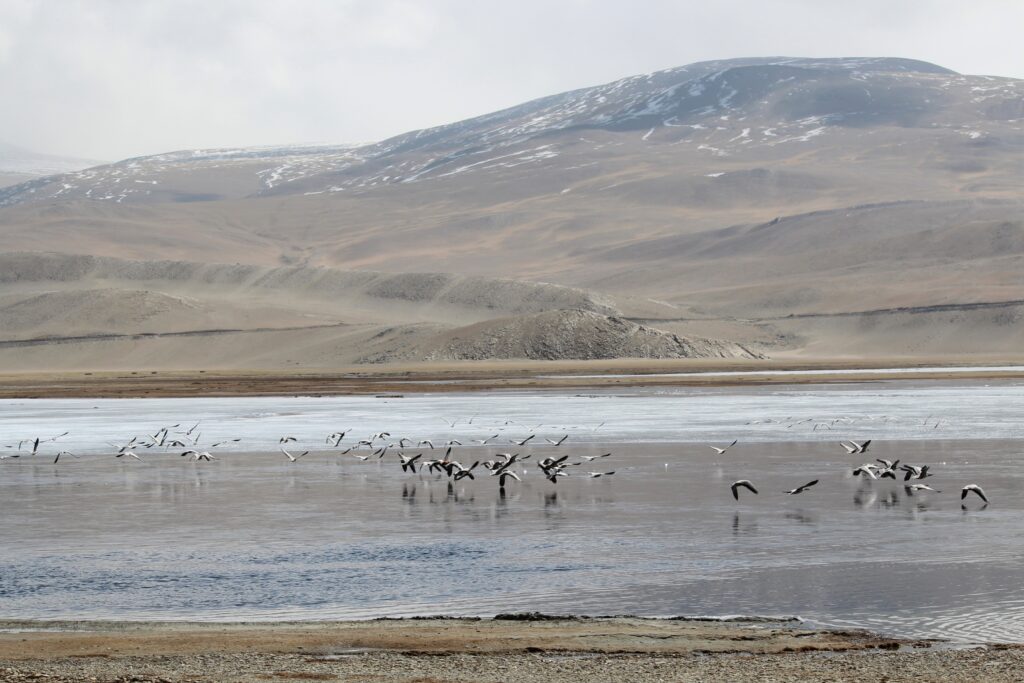
If Pangong is spectacular, Tso Moriri is soulful. More remote and less commercialized, this high-altitude lake feels like a sanctuary, wrapped in snow-capped peaks and endless silence.
The waters of Tso Moriri glow deep blue, and the shores often host migratory birds, including rare species. Time slows here; you don’t just visit Tso Moriri—you dwell in it.
Why it’s special:
- A haven for birdwatchers and nature lovers, with a chance to spot migratory birds in their natural habitat.
- Fewer tourists mean you often get long, quiet moments alone with the landscape.
- The villages nearby, like Korzok, offer glimpses into traditional nomadic life.
Travel tips:
- Facilities are basic and limited. Carry enough water, snacks, power banks, and essentials.
- Nights can be extremely cold; high-quality warm clothing is a must.
- Respect wildlife—no feeding, chasing, or disturbing birds or animals.
- Follow “leave no trace” principles. This is a fragile ecosystem that needs care.
#5. Khardung La: Conquering One of the World’s Highest Motorable Passes
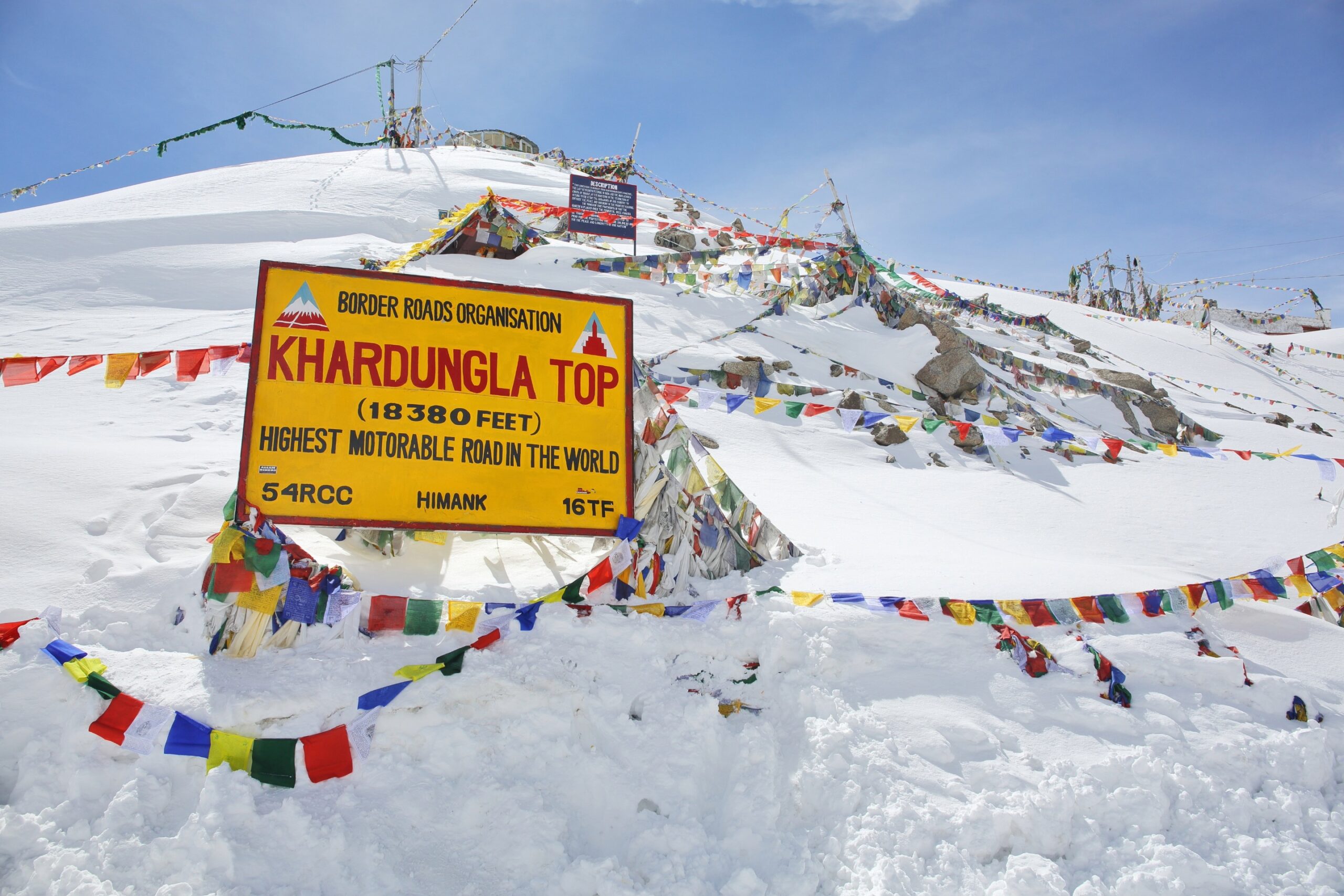
Khardung La is more than just a road; it’s a rite of passage. Once considered the highest motorable pass in the world, it remains a symbol of adventure for riders and travellers alike.
The journey is hair-raising—narrow roads, sharp bends, and sweeping views of snow-covered mountains as you climb higher and higher. Standing at the top, with cold winds whipping past and prayer flags fluttering wildly, you feel the thrill of having touched the sky.
Things to know:
- Spend a couple of days acclimatizing in Leh before heading to Khardung La.
- Don’t stay too long at the top; the altitude is very high and can cause discomfort.
- Dress in multiple layers, with a good jacket, cap, and gloves. Even in summer, it can be freezing.
- If you’re riding, ensure your bike is well serviced, and carry basic spares and a toolkit.
#6. Hemis and Diskit Monasteries: Spiritual Marvels of Ladakh
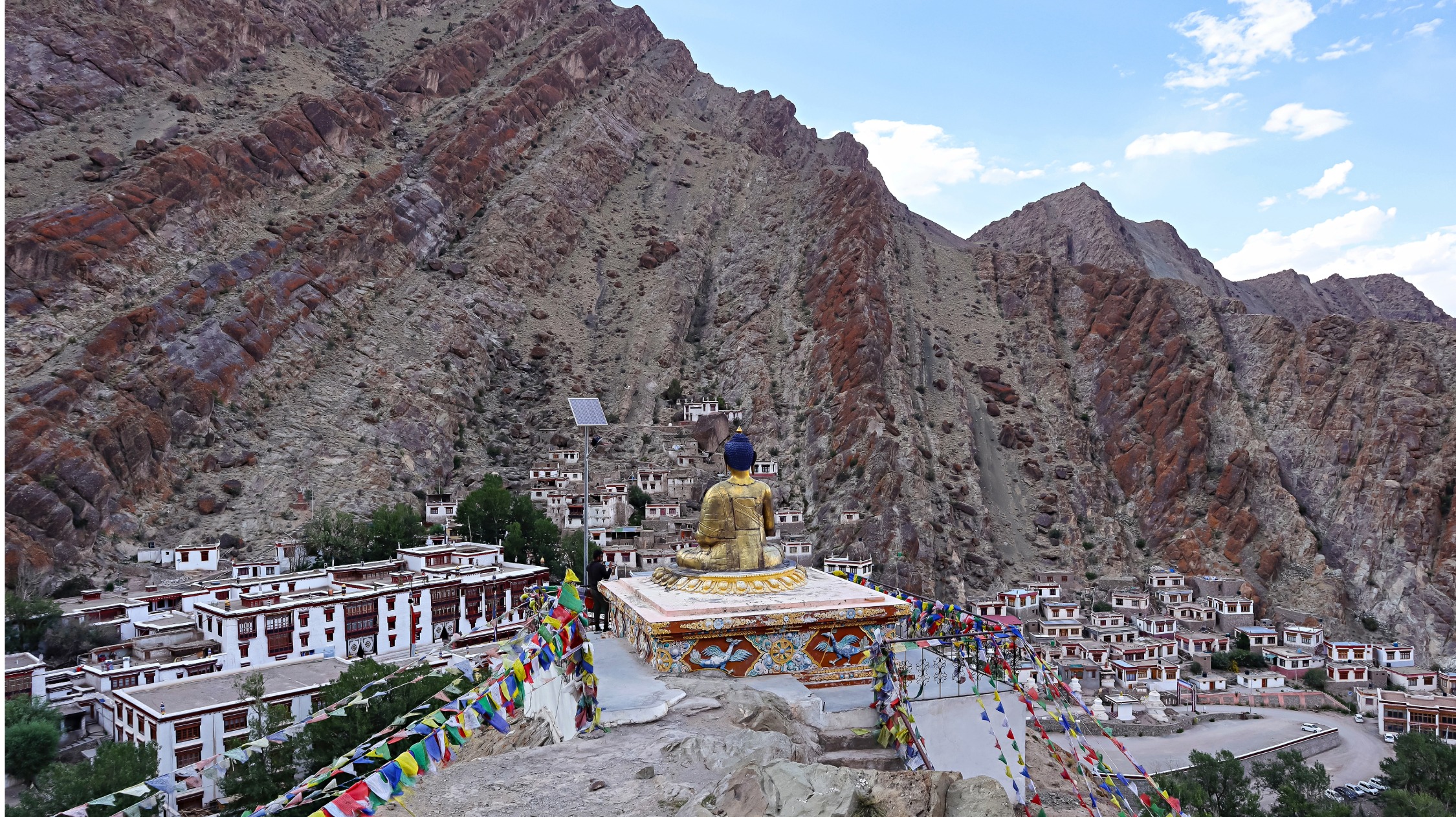
Hidden in a tranquil valley, Hemis Monastery is one of Ladakh’s most important and richest monasteries. It is a living seat of Buddhist learning, art, and culture.
During the famous Hemis Festival, the courtyard comes alive with masked dances, elaborate costumes, and ancient ritual performances that feel like stepping into another era.
What makes it unforgettable:
- Intricate statues, thangkas (scroll paintings), and murals that reflect centuries of devotion and artistry.
- The peaceful atmosphere—monks chanting, butter lamps flickering, and prayer flags whispering in the wind.
- The chance to simply sit in a corner and let the silence and chants wash over you.
Etiquette essentials:
- Dress modestly—covered shoulders and legs are ideal.
- Remove your shoes where required and keep your phone on silent.
- Be respectful during prayers and ceremonies; ask before clicking photographs.
#7. Diskit Monastery: Guardian of Nubra Valley
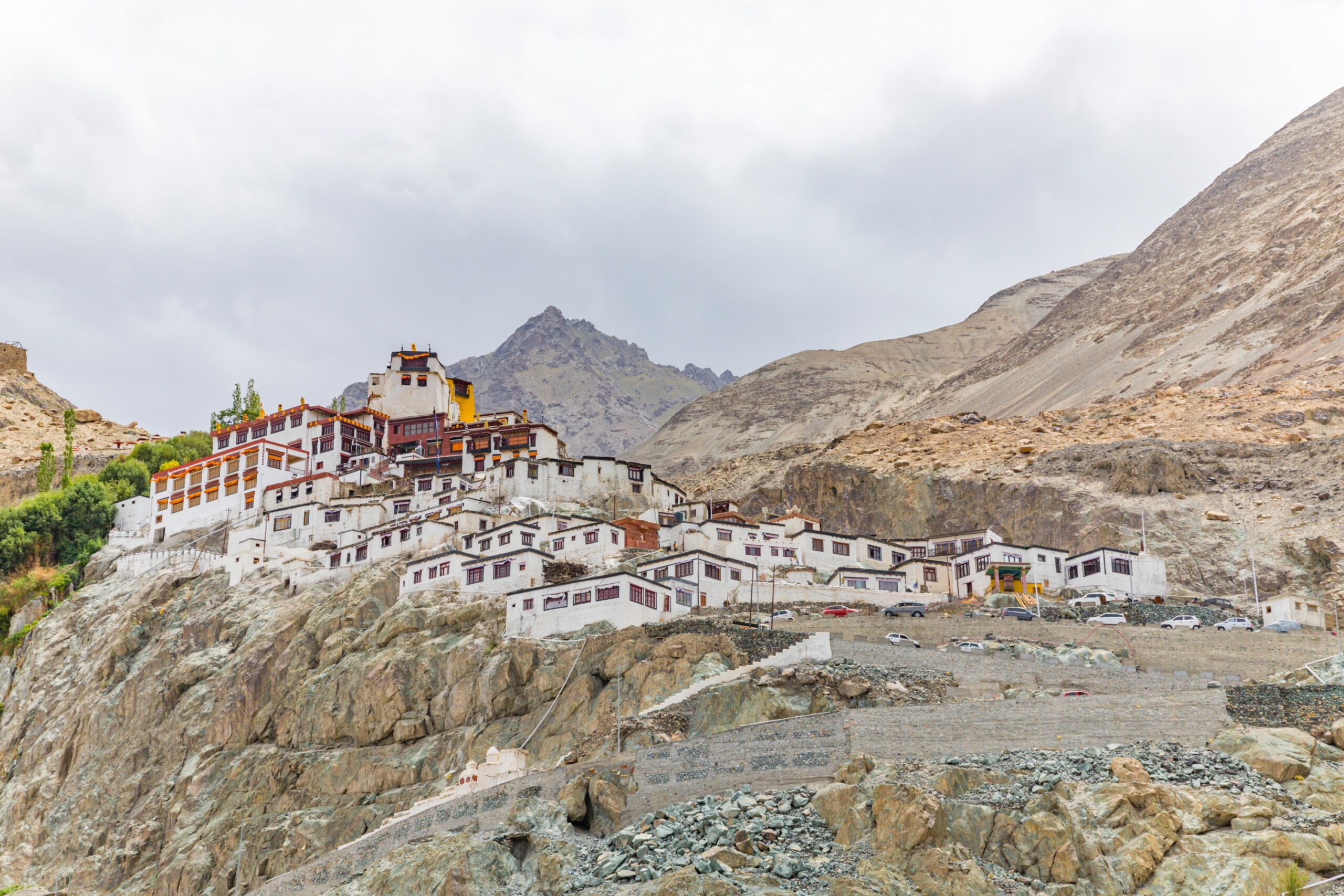
Overlooking Nubra Valley from a dramatic hilltop, Diskit Monastery feels like a guardian watching over the land below. The sweeping views from here are worth the climb alone.
Nearby, the giant statue of Maitreya Buddha, painted in brilliant colours, stands peacefully with the valley unfolding beneath. It’s a place where devotion, art, and landscape unite beautifully.
Experience:
- Walk through old prayer halls, connect with monks if you get the chance, and learn about their way of life.
- Feel the wind on your face as you stand near the Buddha statue, gazing out over the vast valley.
- Soak in the sense of calm that seems to hang over the entire area.
Guidelines:
- As with all monasteries, remain quiet and respectful.
- Some inner areas may have strict no-photography rules—always check.
8. Alchi Monastery: A Timeless Treasure of Art and Heritage
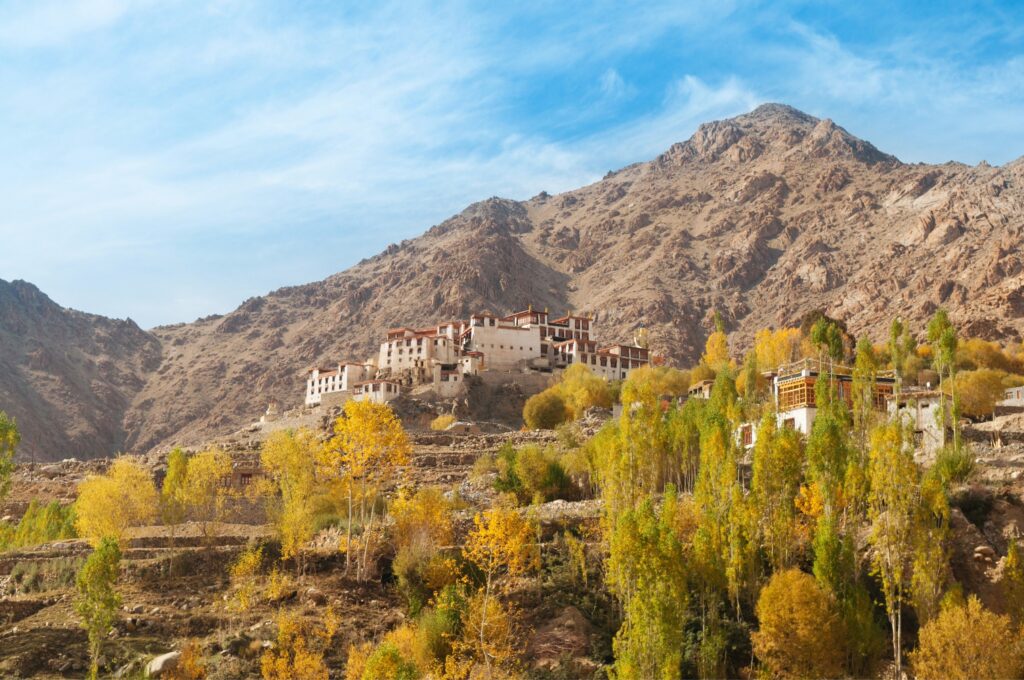
Alchi Monastery is unlike most others in Ladakh. Located on relatively lower ground near the Indus River, it is famed not for towering locations but for its astonishing ancient art.
Step inside its dimly lit temples, and you’ll find elaborately detailed wall paintings, wooden carvings, and statues that have survived for nearly a thousand years. It feels like entering a time capsule.
Why visit Alchi:
- The murals and sculptures blend Indian, Kashmiri, and Tibetan influences—an artistic heritage that is rare and precious.
- The monastery complex has a serene, village-like atmosphere, with apricot trees and quiet lanes around it.
- It gives a deeper understanding of Ladakh’s historic role as a crossroads of cultures.
Respectful visiting:
- Take time to read plaques or talk to local guides; the stories behind the art make it come alive.
- Photography may be restricted, especially inside the temples. Never use flash on old paintings.
- Do not touch walls, pillars, or statues—the artworks are extremely old and delicate.
#9. Zanskar Valley: A Remote Paradise for Adventure Seekers
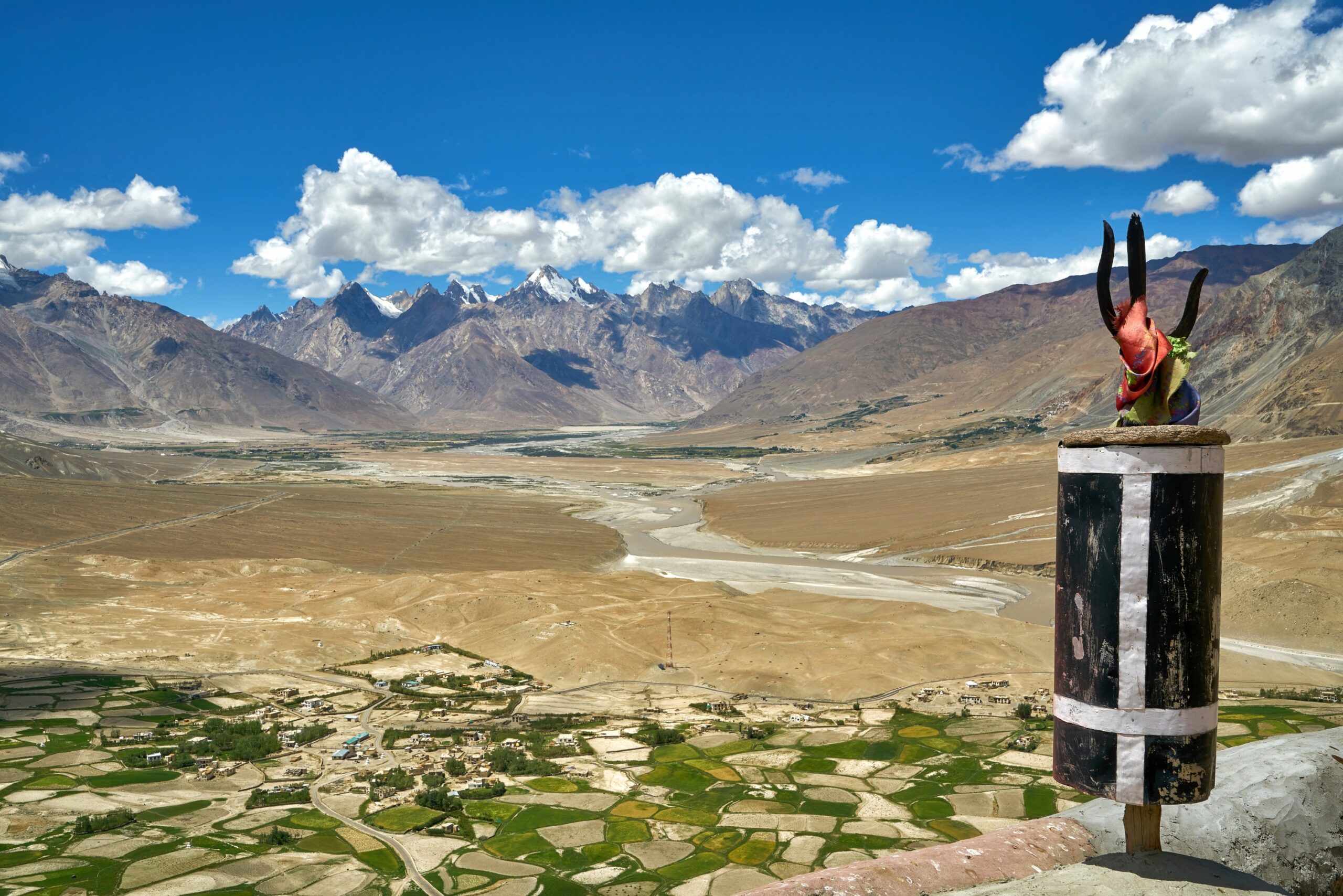
If you’re drawn to places that feel untouched and wild, Zanskar Valley will call to you. Remote, stark, and staggeringly beautiful, it is a paradise for trekkers and serious adventure seekers.
Here, jagged peaks rise over lonely trails, frozen rivers form winter routes, and small villages cling to existence in one of the harshest yet most beautiful environments on earth.
Highlights:
- Multi-day treks through high passes, deep gorges, and remote villages.
- River rafting on the Zanskar River with dramatic canyon walls towering above.
- Meeting locals who live in tiny hamlets, whose resilience and warmth are truly humbling.
Important considerations:
- Travel and treks in Zanskar demand good fitness, planning, and proper acclimatization.
- Go with experienced guides or trekking agencies familiar with the terrain and weather.
- Carry a full set of trekking gear, including sturdy shoes, warm clothing, first aid, and essentials.
- Respect local customs and nature—these communities live in close balance with the land.
#10. Magnetic Hill: Where Your Eyes Trick Your Mind
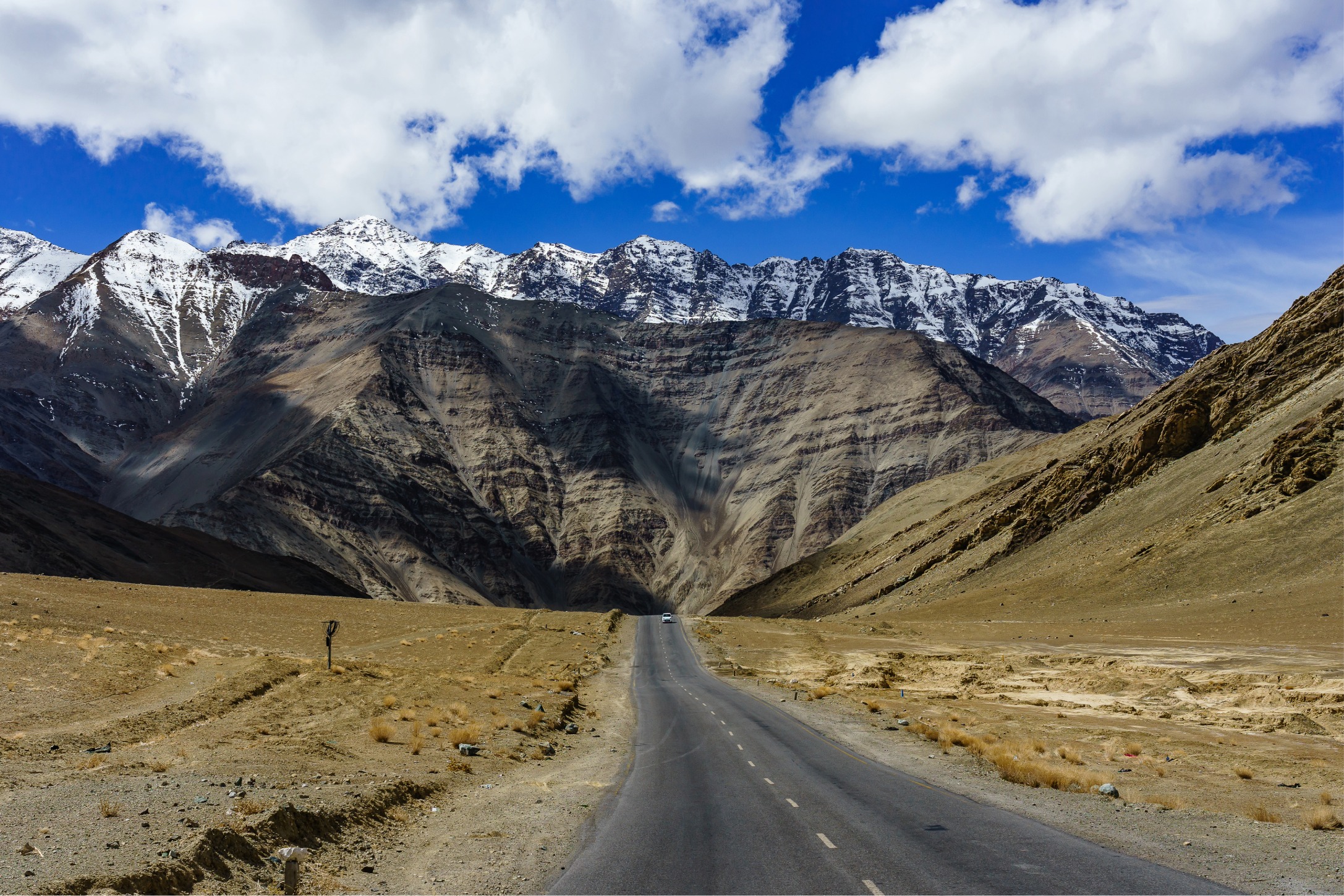
Magnetic Hill is one of Ladakh’s most intriguing roadside stops, a place where your senses play games with you. Here, vehicles appear to roll “uphill” on their own, creating the illusion that gravity has gone rogue.
In reality, it’s an optical illusion caused by the layout of the surrounding land—but experiencing it in person is still mind-bending and fun.
While you’re here:
- Park your vehicle in the marked area and watch it seemingly move “up” the slope.
- Enjoy the open landscape around you and capture the moment on camera.
- Drive carefully—this is still a public road with other vehicles passing through.
Essential Tips for a Safe and Unforgettable Ladakh Trip
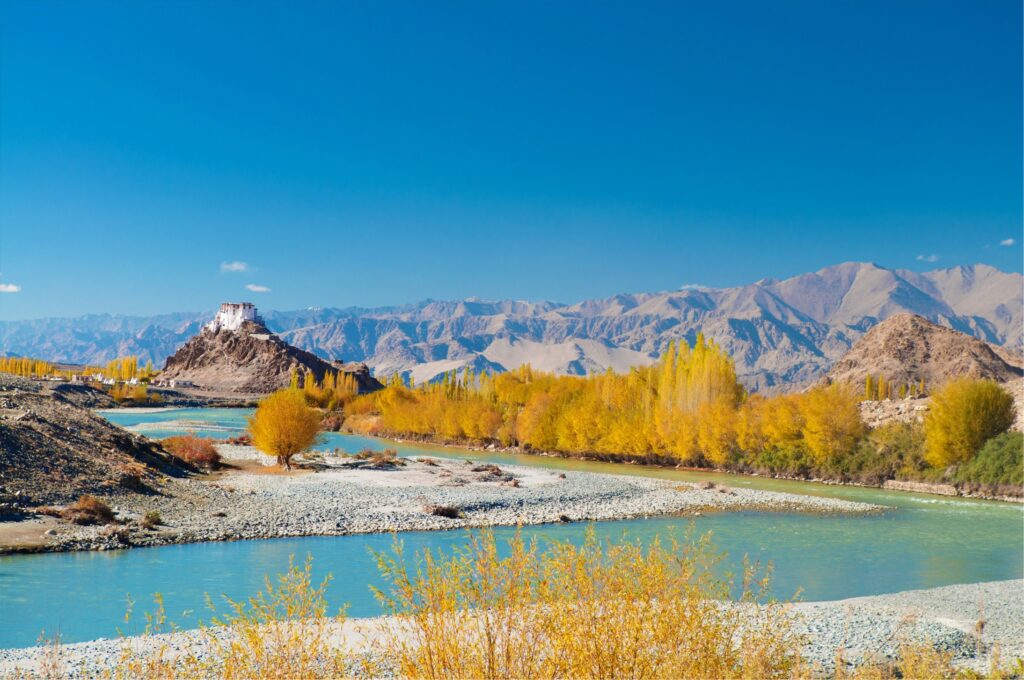
Visiting Ladakh is not like visiting a typical hill station. Its beauty is matched by its altitude and remoteness, and the key to enjoying it fully is preparation and patience.
Here are the most important things to keep in mind:
- Acclimatize first: Ladakh sits at high altitude, and your body needs time to adjust. Spend at least 1–2 nights in Leh before going higher. Avoid intense activity and heavy meals on the first day.
- Hydrate and nourish: Drink plenty of water and warm fluids, and eat light, nutritious meals. Avoid alcohol in the early days as it can worsen altitude symptoms.
- Layer up: Weather can change quickly—from strong sun to icy winds. Carry a good jacket, thermals, gloves, socks, cap, and sunglasses with UV protection.
- Move slowly: If you feel headaches, dizziness, nausea, or breathlessness, rest immediately. If symptoms worsen, descend to a lower altitude and seek medical help.
- Be a responsible traveller: Ladakh’s environment and culture are delicate. Do not litter, avoid plastic where possible, respect wildlife, and follow local customs in villages and monasteries.
Planning Your Ladakh Journey
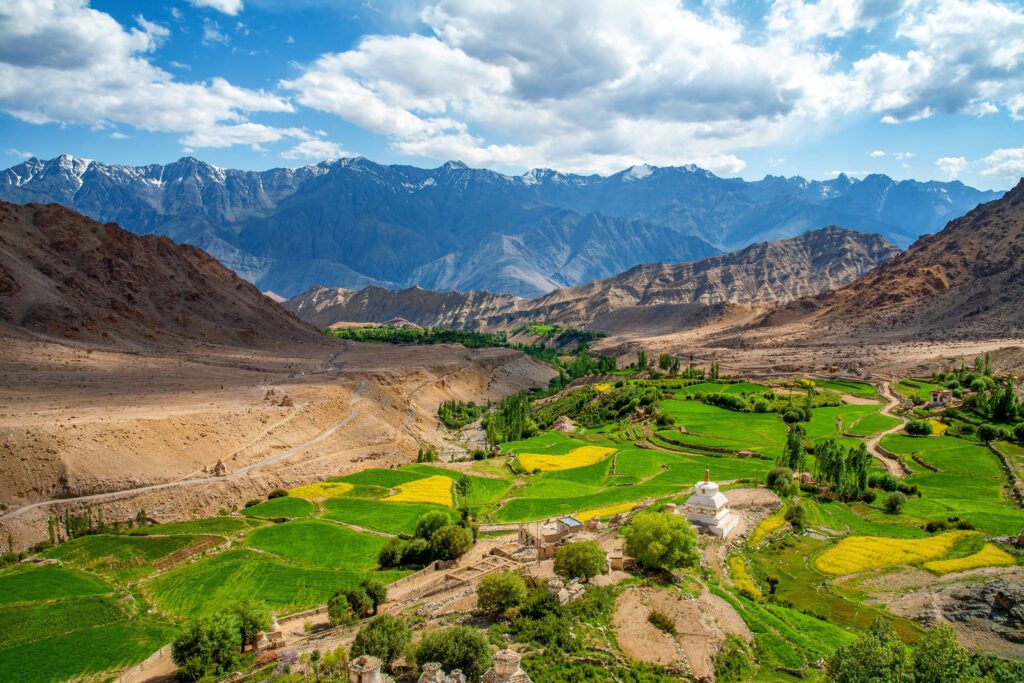
When you put all these places together, Leh’s charm, Pangong’s shifting colours, Nubra’s desert oases, Tso Moriri’s stillness, the high drama of Khardung La, the spiritual pull of Hemis, Diskit, and Alchi, the raw wilderness of Zanskar, and the curiosity of Magnetic Hill—you get more than an itinerary. You get a story you’ll carry for life.
Plan your route with acclimatization days built in, choose experiences that match your fitness and interests, and travel slowly enough to truly feel where you are. Ladakh rewards those who come not just to see, but to listen — to the wind, the rivers, the chants, and the silence between.
In the end, you don’t just visit Ladakh. You arrive as a traveller and leave as someone changed by mountains, monasteries, and the unforgettable sense of standing on the roof of the world.