If you are craving the raw, untouched beauty of the Himalayas but want to bypass the crowded streets of Manali or the increasingly busy weekend trails of Jibhi, it is time to turn your compass toward Sainj Valley.
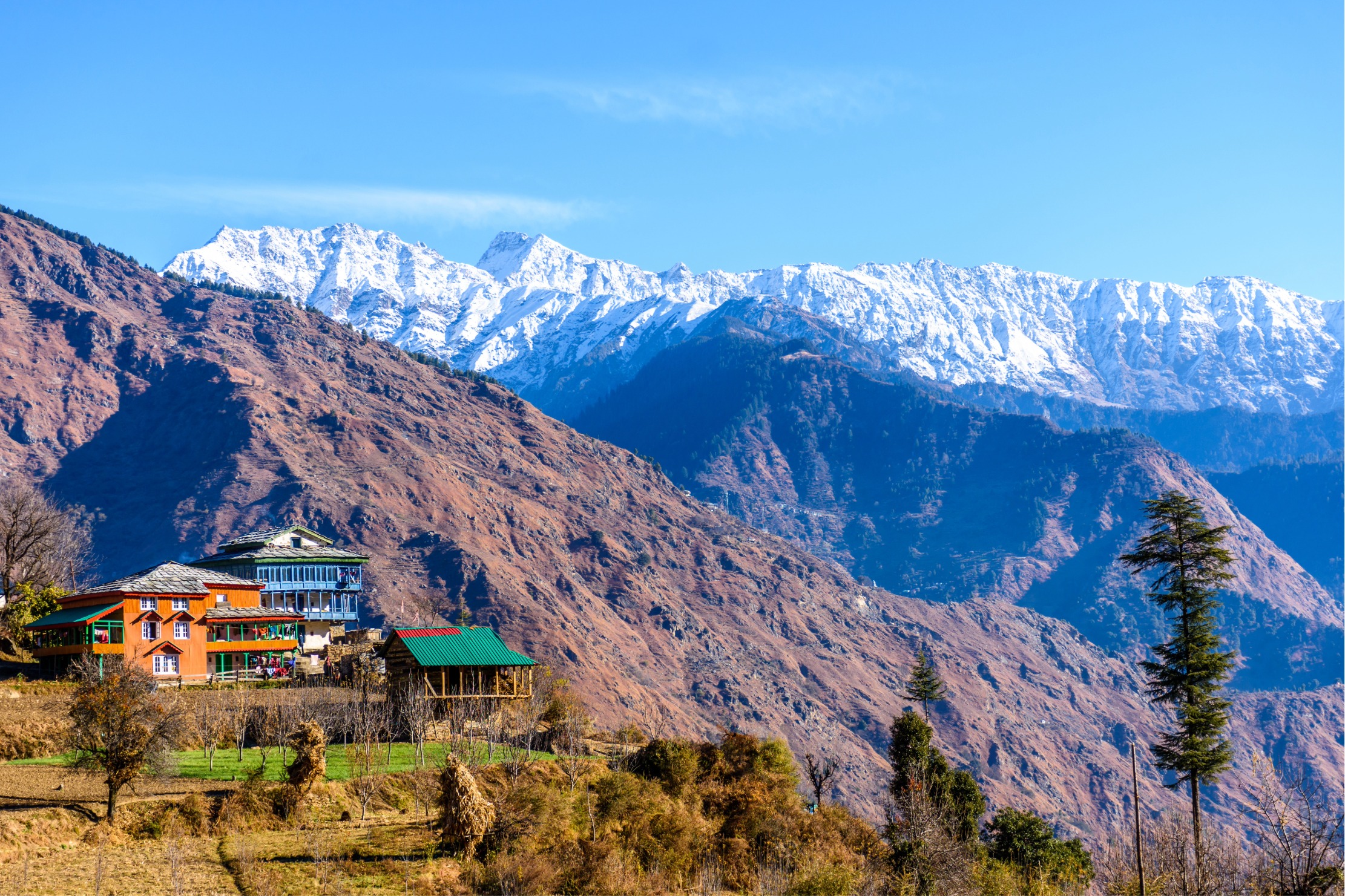
Nestled in the heart of Himachal Pradesh, the enchanting Sainj Valley beckons with its lush landscapes and captivating charm. This picturesque haven, accessible via road from Kullu, welcomes visitors with open arms. The ideal time to explore is during the serene spring and vibrant autumn months when nature is at its finest. The Great Himalayan National Park, a UNESCO World Heritage Site, stands as the valley’s crowning jewel, offering exhilarating treks through alpine meadows and encounters with diverse wildlife. Immerse yourself in local culture, visit ancient temples, and relish warm hospitality. Sainj Valley promises a soul-stirring escape into nature’s embrace.
Here is everything you need to know to explore Sainj Valley and the pristine Shangarh meadows.
📍 Top Places to Visit in Sainj Valley
While the entire valley is a scenic drive, a few anchor destinations should form the core of your itinerary:
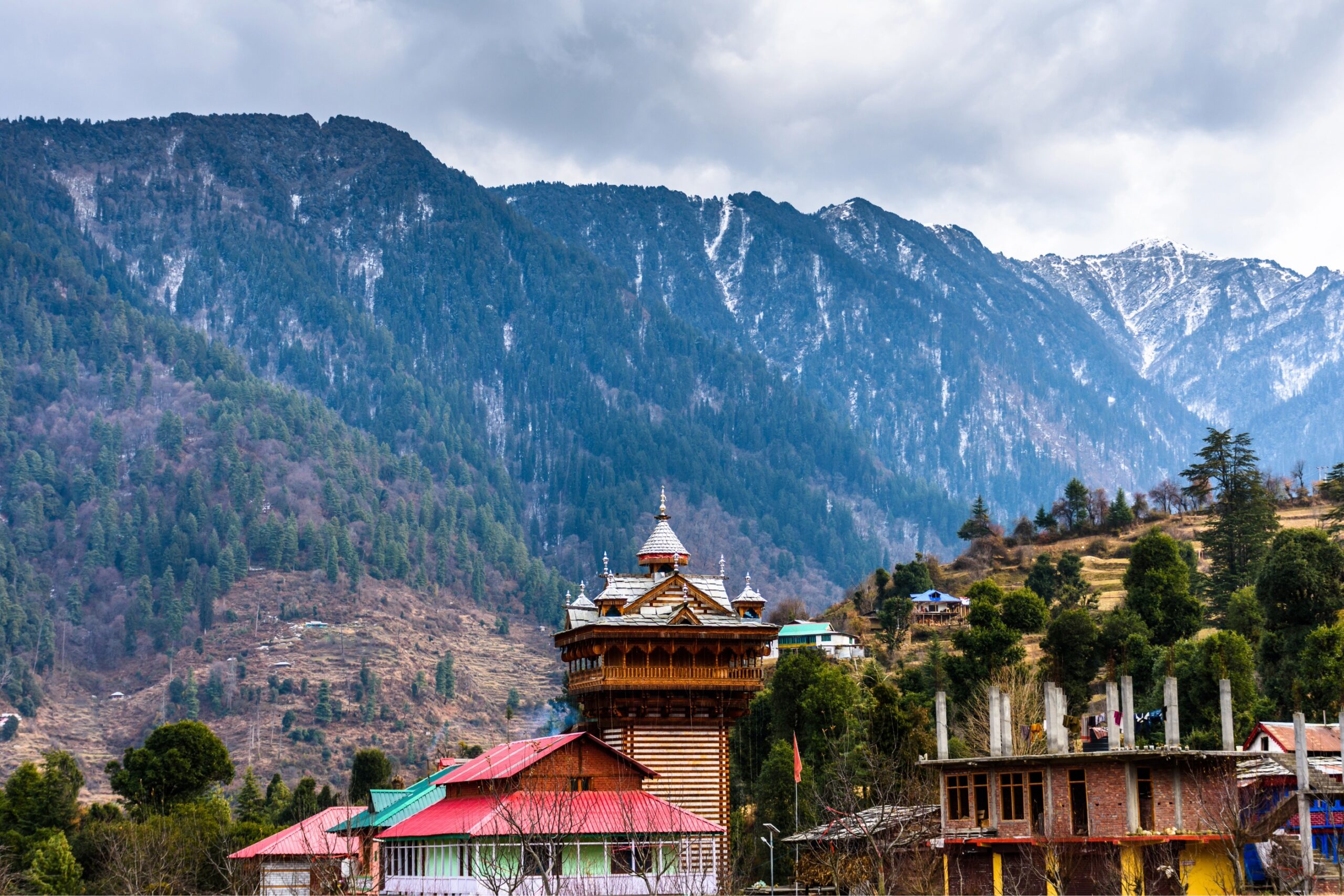
- Shangarh Meadows & Shangchul Mahadev Temple: The absolute crown jewel of the region. Sitting at around 6,900 feet, this vast, lush green meadow is flanked by towering pines and snow-capped peaks. At the edge of the meadow sits the Shangchul Mahadev Temple, a beautiful three-tiered structure built in the traditional Kathi Kuni architectural style. (Note: The meadow is considered sacred ground by locals; loud noises, littering, and alcohol are strictly prohibited).
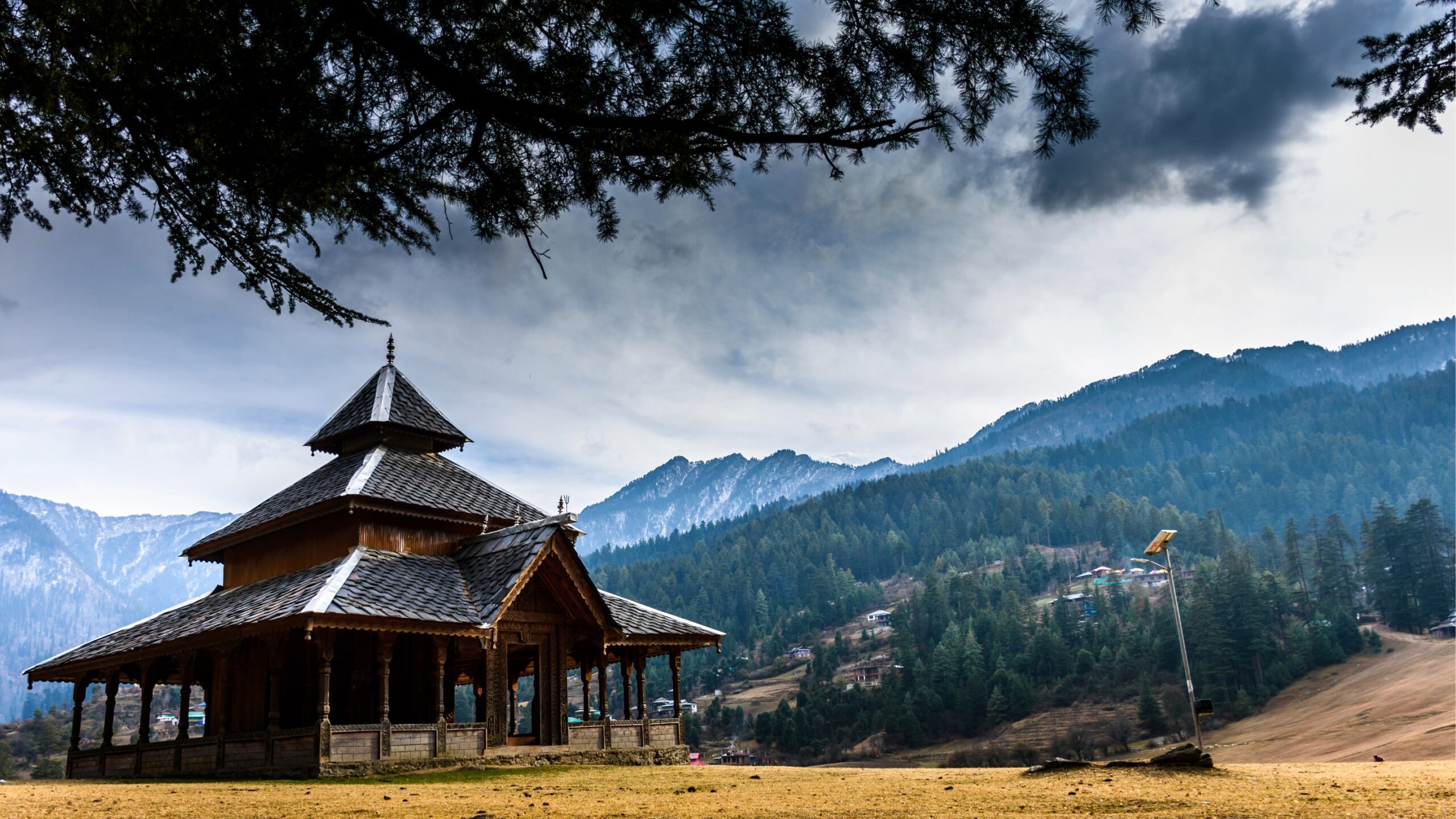
- The Great Himalayan National Park (Ecozone): Sainj Valley serves as a primary gateway to the GHNP. You don’t need to be a hardcore mountaineer to enjoy it; the ecozone offers stunning day hikes that plunge you into dense forests home to rare wildlife like the Monal and Western Tragopan.
- Pundrik Rishi Lake & Dehuri Village: A serene hike takes you through terrace cornfields and ancient forests to this sacred, vegetation-covered lake. The journey to the lake is visually spectacular, offering a deep dive into the valley’s traditional wooden village architecture.
- Twin Towers of Raila & Barshangarh Waterfall: Take a short drive to Raila village to witness historic wooden twin-tower structures that command the landscape. Just a short hike away hides the Rupi Raila (or Barshangarh) waterfall—a quiet, unexplored spot perfect for a peaceful afternoon.
🥾 Things to Do & Activities
Sainj is less about ticking off tourist checklists and more about experiential, immersive travel.
- Trekking & Hiking: For beginners, the trails around Shangarh and the Jangaon Thach day trek are perfect. For seasoned adventurers, the GHNP offers challenging multi-day routes like the Jiwa Nala Trek or the Raktisar Trek (permits required for core zones).
- Birdwatching: Grab your binoculars. The GHNP eco-zone hosts over 35 distinct bird species, making it a sanctuary for avian enthusiasts.
- Digital Detox & Slow Living: Cell network is notoriously intermittent here (BSNL and Jio work best, but only in patches). Embrace the disconnect. Book a local homestay, eat traditional Himachali food, and spend your afternoons reading in the meadows.
🚗 How to Reach Sainj Valley
The journey to Sainj is surprisingly straightforward, branching off from the main highway connecting Chandigarh to Kullu/Manali.
- By Bus/Road: Take any overnight Volvo bus heading from Delhi or Chandigarh towards Kullu/Manali. Drop off at the Aut Tunnel. Do not enter the tunnel! From the Aut market area, you can easily catch a local bus or hire a taxi straight to Sainj Village, and further up to Shangarh.
- By Air: The nearest airport is Bhuntar (Kullu). From Bhuntar, you can hire a cab for a scenic 1.5-hour drive to the valley.
Key Distances at a Glance:
- Aut to Sainj Village: ~18 km
- Aut to Shangarh: ~28 km
- Jibhi to Sainj Valley: ~35 km (roughly 55 km if driving all the way up to Shangarh)
- Kullu to Sainj Village: ~45 km
- Delhi to Sainj Valley: ~480 km
🌤️ Best Time to Visit
- Spring (March to June): The absolute best time for clear skies, pleasant weather (10°C to 25°C), and blossoming wildflowers.
- Autumn (September to November): Ideal for photographers. The valley turns into a canvas of golden foliage, and the mountain views are crystal clear post-monsoon.
- Winter (December to February) brings snow to Shangarh, turning it into a white wonderland, but be prepared for sub-zero temperatures and occasionally blocked roads.
Ready to step off the beaten path? As specialists in offbeat Himachal travel, we curate immersive, respectful, and perfectly paced itineraries for Sainj Valley and Shangarh. Skip the generic holiday packages—reach out to our travel desk today to customize a mountain escape that lets you truly disconnect.
Introduction to Sainj Valley A Serene Himalayan Retreat
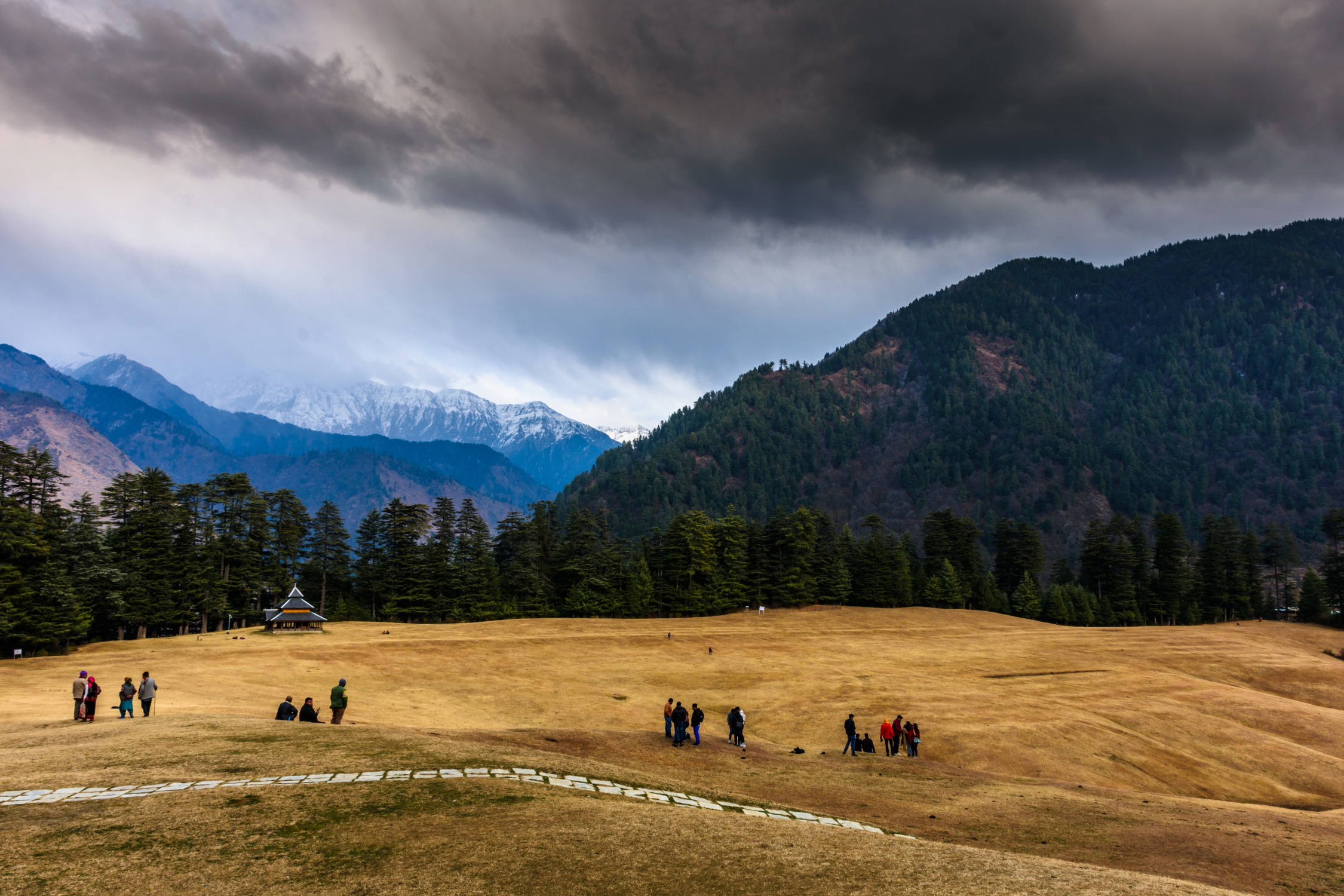
Nestled amidst Himachal Pradesh’s majestic mountains, the Sainj Valley invites travelers to a world of natural splendor. A tranquil escape from the bustle of city life, this hidden gem is accessible through a scenic road journey from Kullu. Whether you seek the vibrant bloom of spring or the crisp allure of autumn, Sainj Valley offers an idyllic respite.
Escaping to Sainj Valley felt like stepping into a dream,” recalls Sarah, an avid traveler. Surrounded by towering peaks and meandering rivers, this remote haven is a perfect antidote to urban chaos. As John Muir once said, “In every walk with nature, one receives far more than he seeks.
- Pack comfortable clothing suitable for the season.
- Don’t forget your camera to capture the stunning landscapes.
- Carry essential medications and first aid supplies.
- Embrace the slower pace of life and disconnect from digital distractions.
Getting to Sainj Valley How to Reach This Hidden Gem
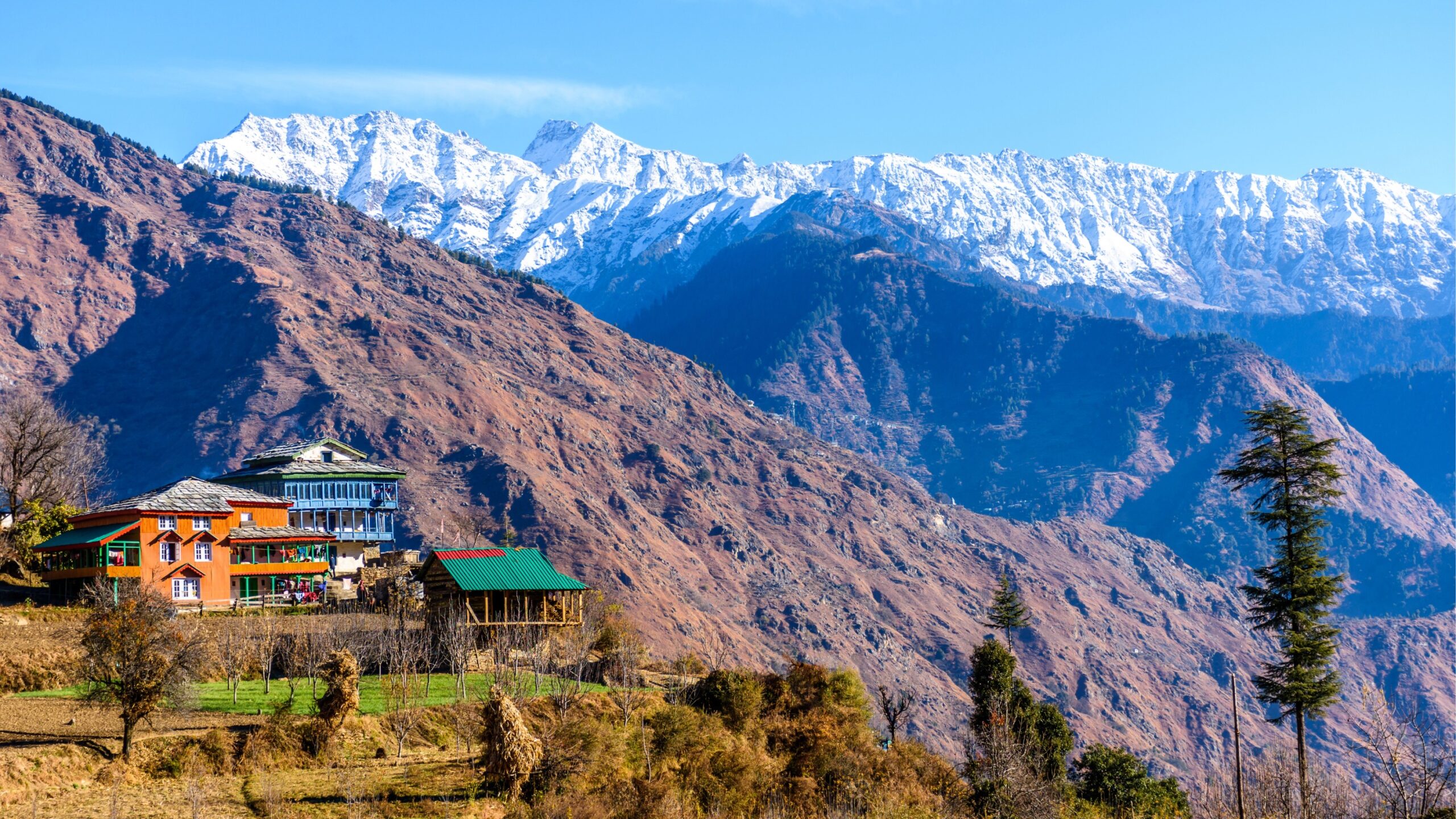
Sainj Valley is reached via a picturesque road journey from Kullu, showcasing breathtaking landscapes at every turn. The valley’s remoteness enhances its allure, allowing visitors to disconnect from the mundane and embrace the extraordinary truly.
The journey to Sainj was as enchanting as the destination itself,” shares Rajesh, a nature enthusiast. The winding road from Kullu offers glimpses of untamed beauty, a fitting precursor to the valley’s serenity.
- Research road conditions and potential routes before embarking.
- Plan for longer travel times due to winding mountain roads.
- Check local weather forecasts to ensure a safe journey.
Ideal Seasons When to Visit Sainj Valley for a Perfect Getaway
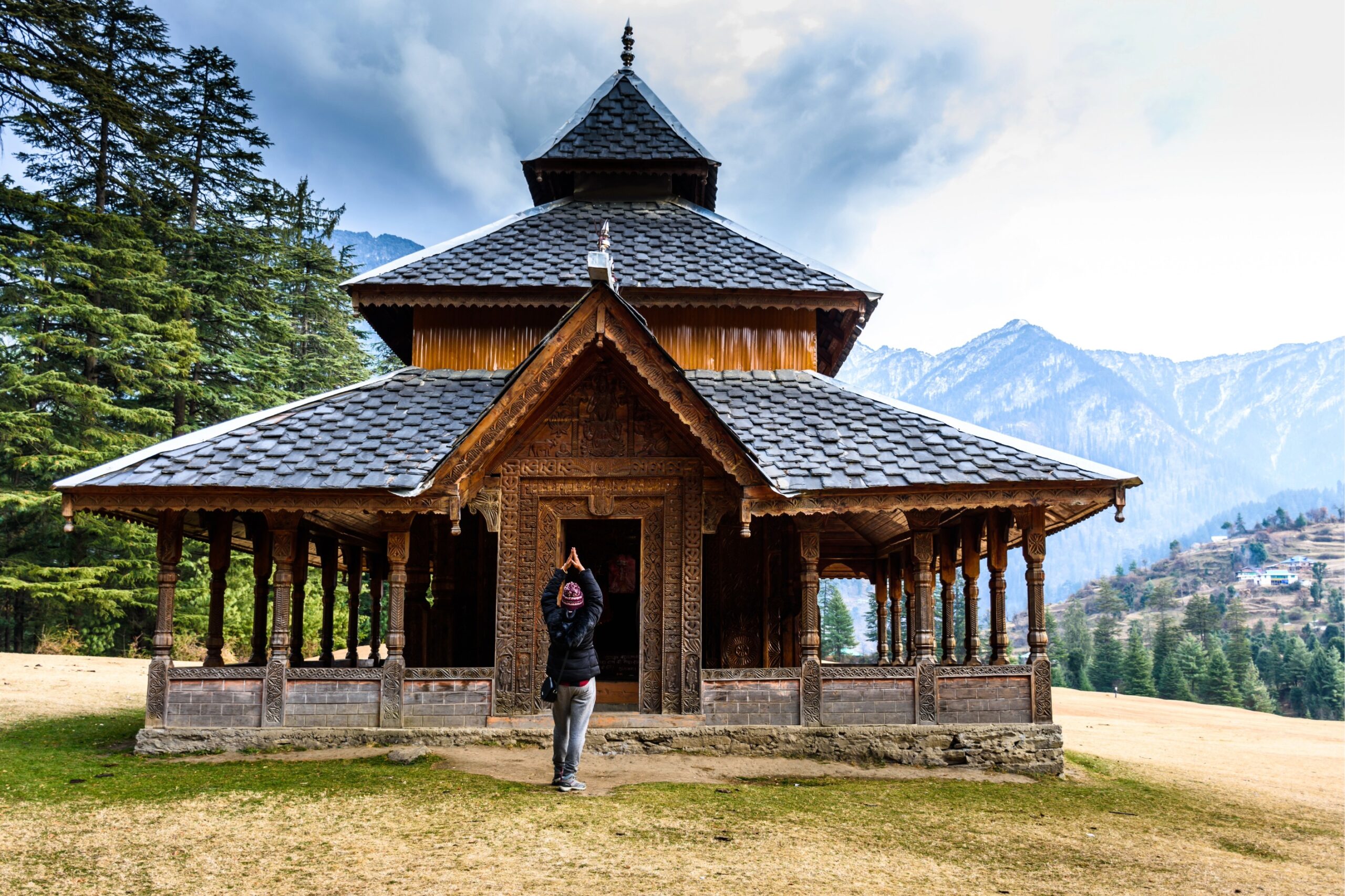
For an enchanting experience, plan your visit during spring’s floral extravaganza or autumn’s golden embrace. Mild weather, blossoming flowers, and vibrant foliage create an ideal backdrop for exploration, ensuring memories that linger long after you depart.
I visited during autumn, and the valley wore a coat of gold,” exclaims Maya, an adventure seeker. Her experience echoes the sentiment that “nature always wears the colors of the spirit” (Ralph Waldo Emerson).
- Layer clothing to adapt to changing weather during spring and autumn.
- Book accommodations well in advance, especially during peak seasons.
- Carry sunscreen, sunglasses, and hats to protect from sun exposure.
Top Attractions Must-See Gems of Sainj Valley
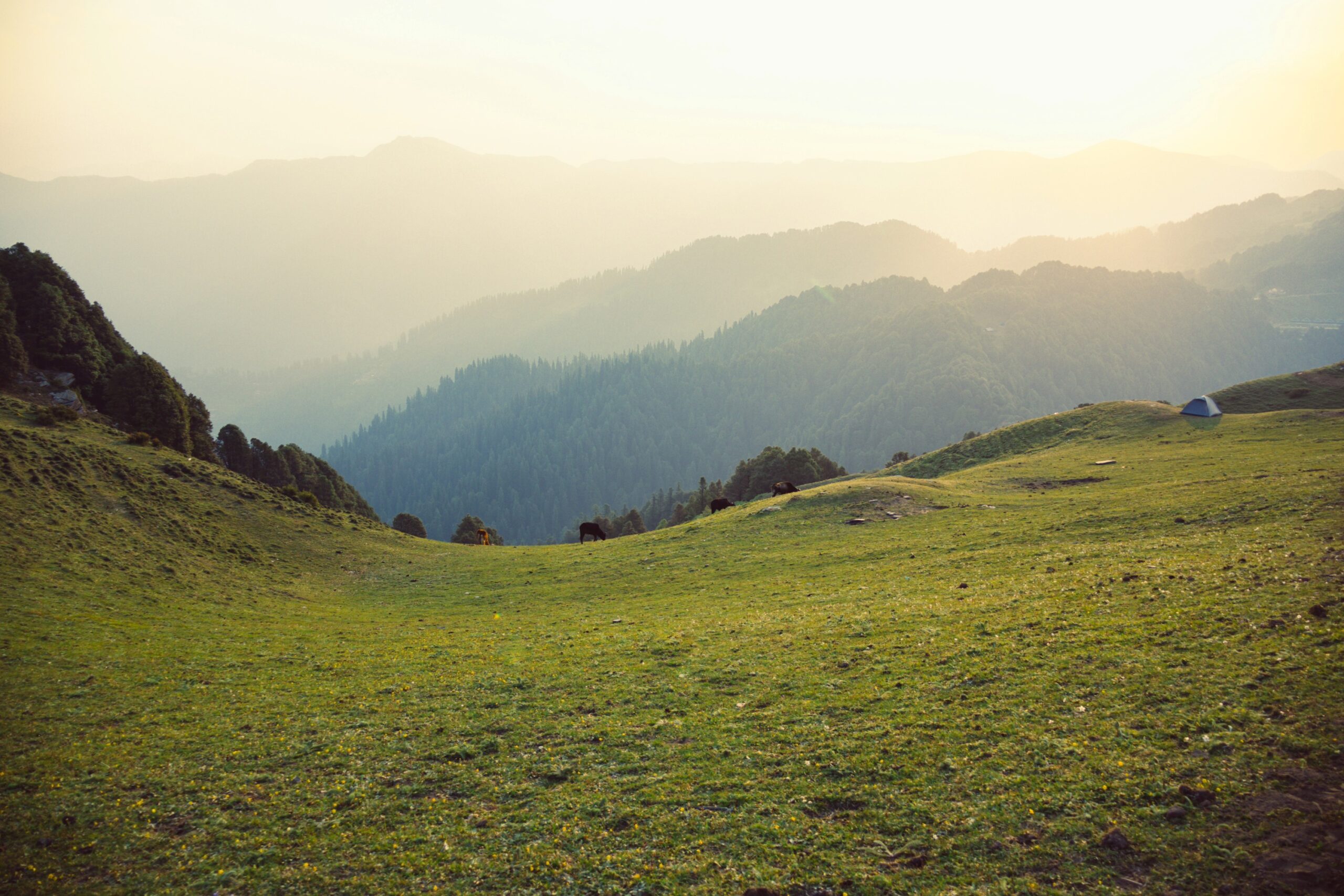
The Great Himalayan National Park, a UNESCO World Heritage Site, is Sainj Valley’s crown jewel—Trek through alpine meadows, encountering a rich diversity of flora and fauna. The melodious Sainj River flowing alongside adds a serene touch to the valley’s scenic beauty.
As I trekked through the Great Himalayan National Park, I felt like a part of the landscape,” shares Vikram, an avid trekker. The chorus of the Sainj River served as a soothing companion, reminding him of John Muir’s words, “The rivers flow not past, but through us.
- Respect the rules and regulations of the Great Himalayan National Park.
- Bring a pair of binoculars to enhance wildlife spotting during treks.
- Pack reusable water bottles to stay hydrated while exploring.
Trekking Adventures Exploring the Wilderness of Sainj Valley
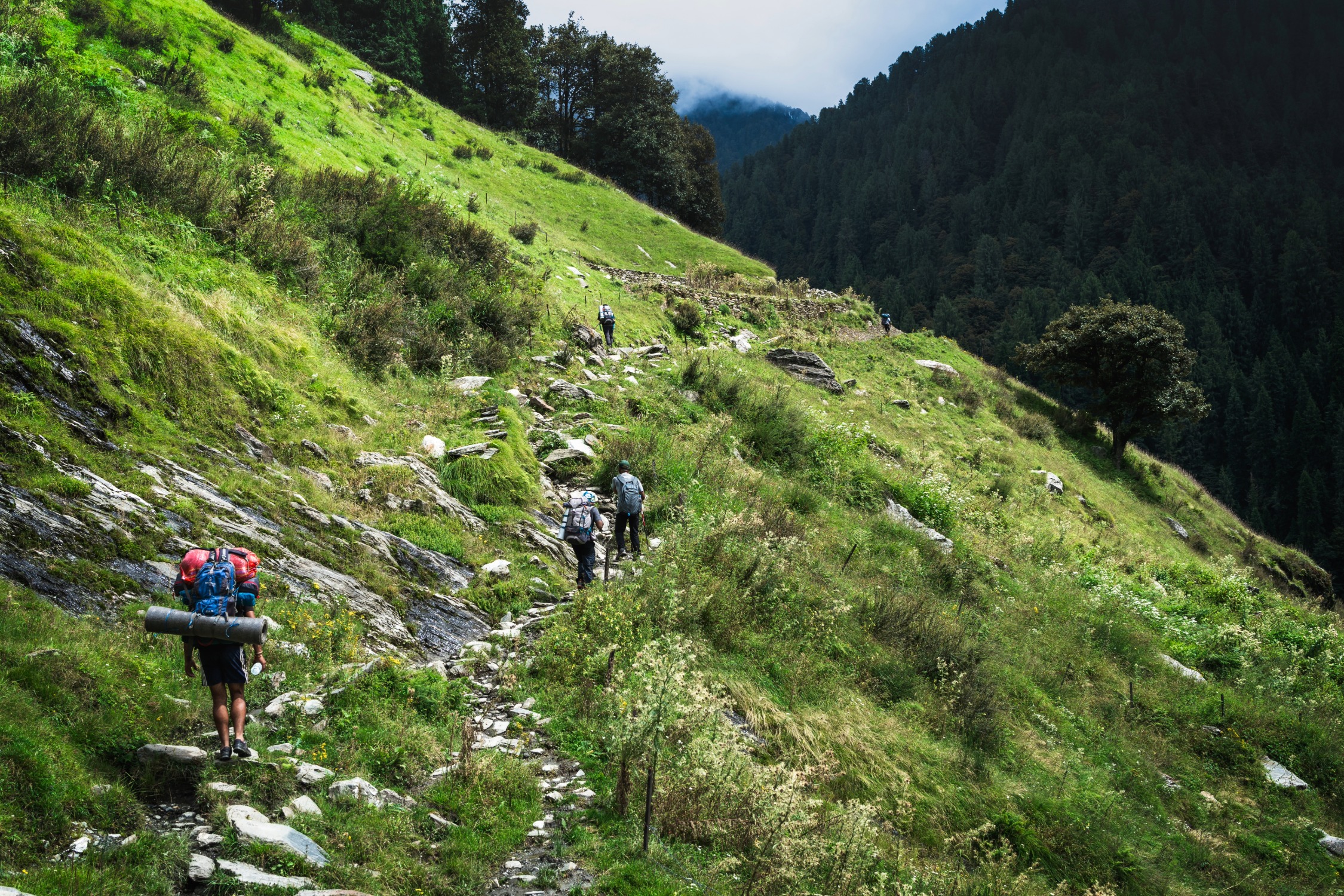
Lace-up your boots for trekking trails that lead to panoramic vistas and encounters with wildlife. Traverse ancient routes connecting quaint villages, immersing yourself in nature’s wonders and local culture simultaneously.
Ritu, a passionate explorer, recalls her encounter with a local shepherd during a trek. “His stories of the trails were as captivating as the scenery around us,” she reminisces. Such interactions capture the essence of the valley’s culture and nature.
- Choose appropriate trekking gear, including sturdy boots and rain gear.
- Carry a detailed map of the trekking routes or hire a local guide.
- Follow the Leave No Trace principles to minimize your impact on the environment.
Cultural Encounters Immerse Yourself in Sainj Valley’s Local Life
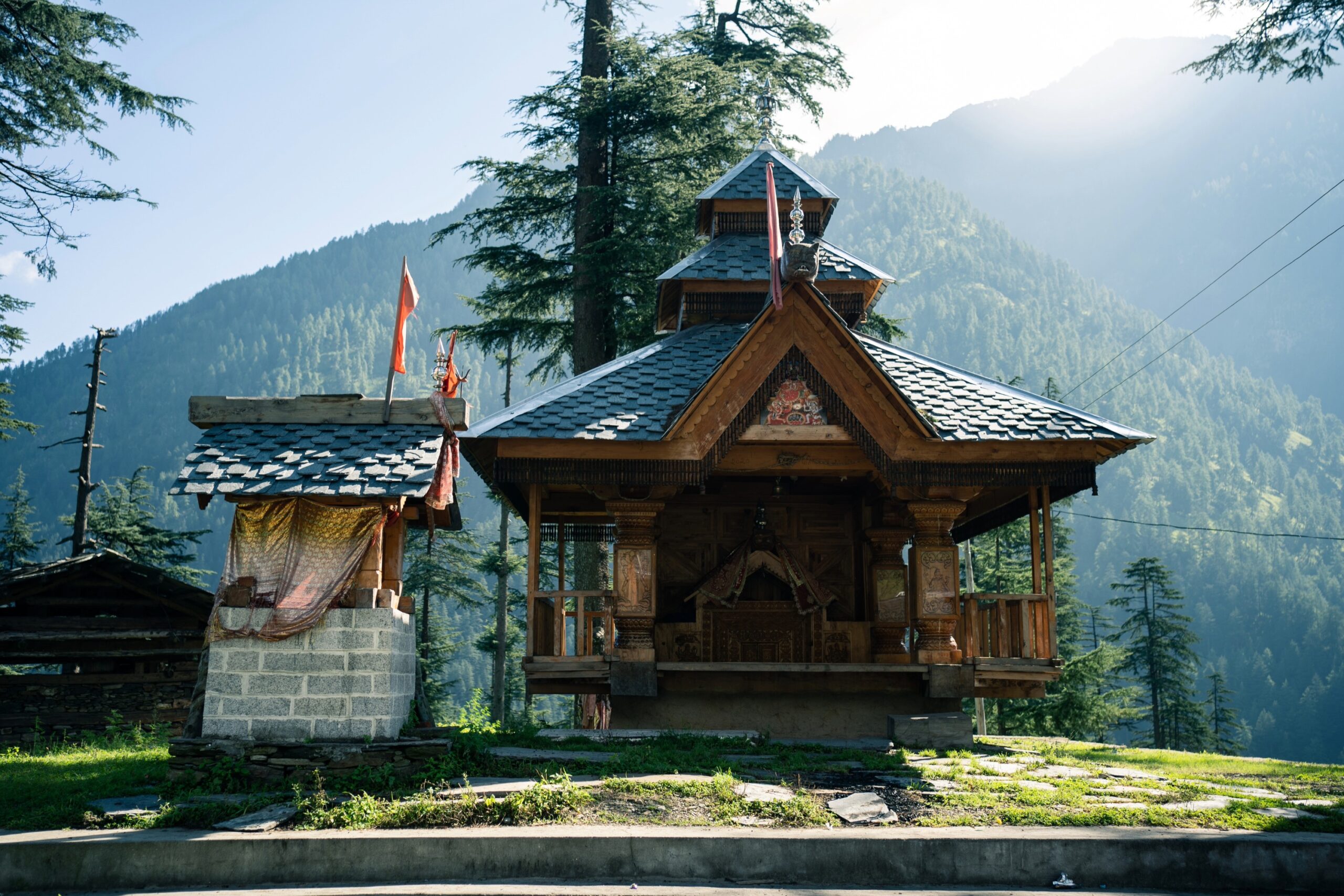
Discover the heart of Sainj Valley by engaging with its vibrant culture. Explore centuries-old temples, interact with warm locals, and partake in local festivities for a deeper connection to this charming Himalayan paradise.
I was welcomed into a traditional Himachali home with open arms,” narrates David, a cultural enthusiast. Sharing meals and stories with the locals gave him a glimpse into their way of life, echoing the sentiment that “travel makes one modest, you see what a tiny place you occupy in the world” (Gustave Flaubert).
- Dress modestly when visiting temples and interacting with locals.
- Ask for permission before taking photographs of people or their homes.
- Show appreciation for local customs and traditions during your stay.
Outdoor Activities Beyond Trekking in Sainj Valley
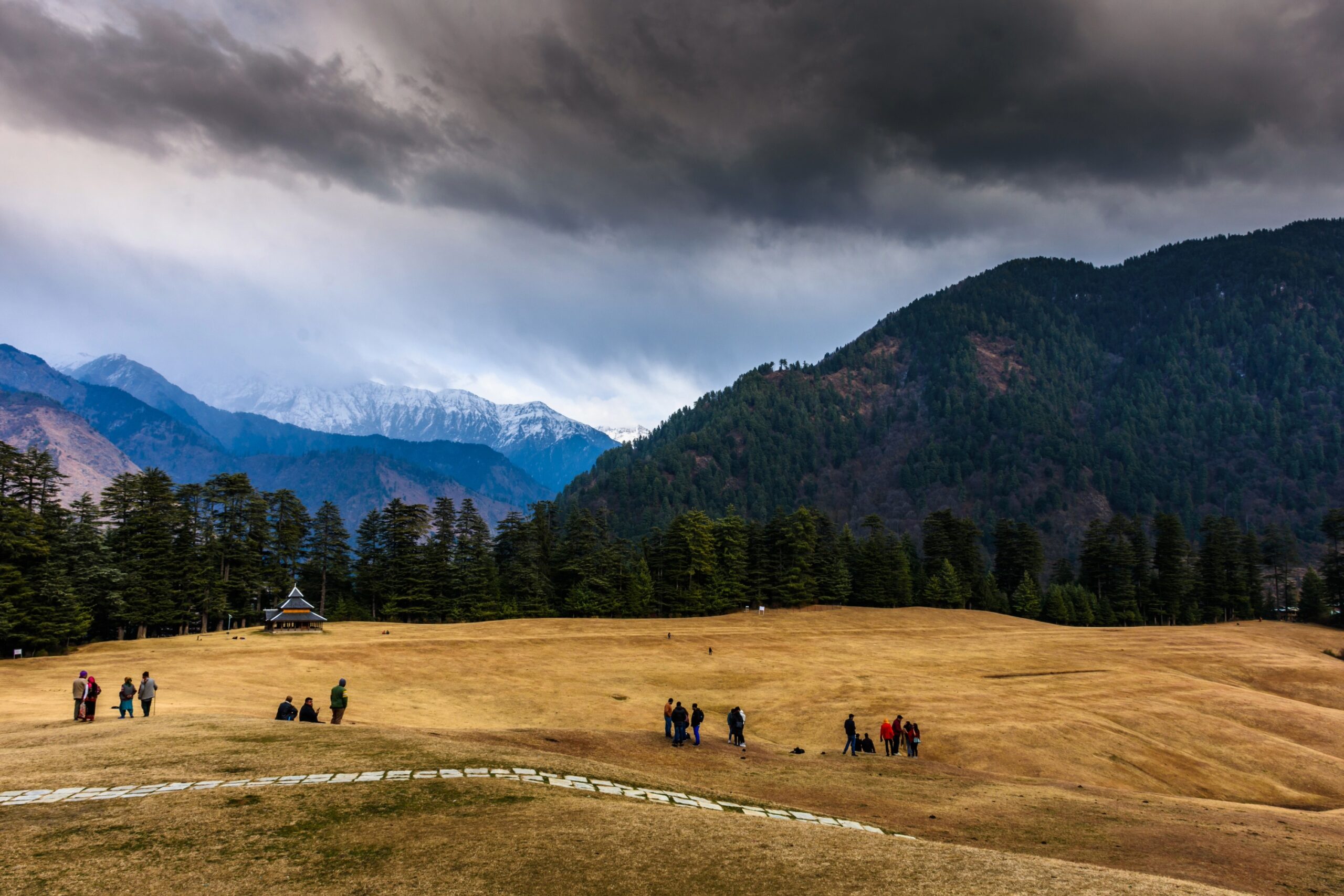
While trekking is a highlight, the valley offers more. Engage in angling, birdwatching, or simply relish picnics amidst nature’s grandeur. Each activity offers a unique perspective of Sainj Valley’s beauty.
Angling by the river was a meditative experience,” shares Ankit, a nature lover. The tranquility of the surroundings created a perfect backdrop for connecting with nature on a deeper level.
- Obtain necessary permits for angling or other outdoor activities.
- Follow safety guidelines and regulations when engaging in adventure sports.
- Carry insect repellent to protect against bugs during outdoor explorations.
Conclusion
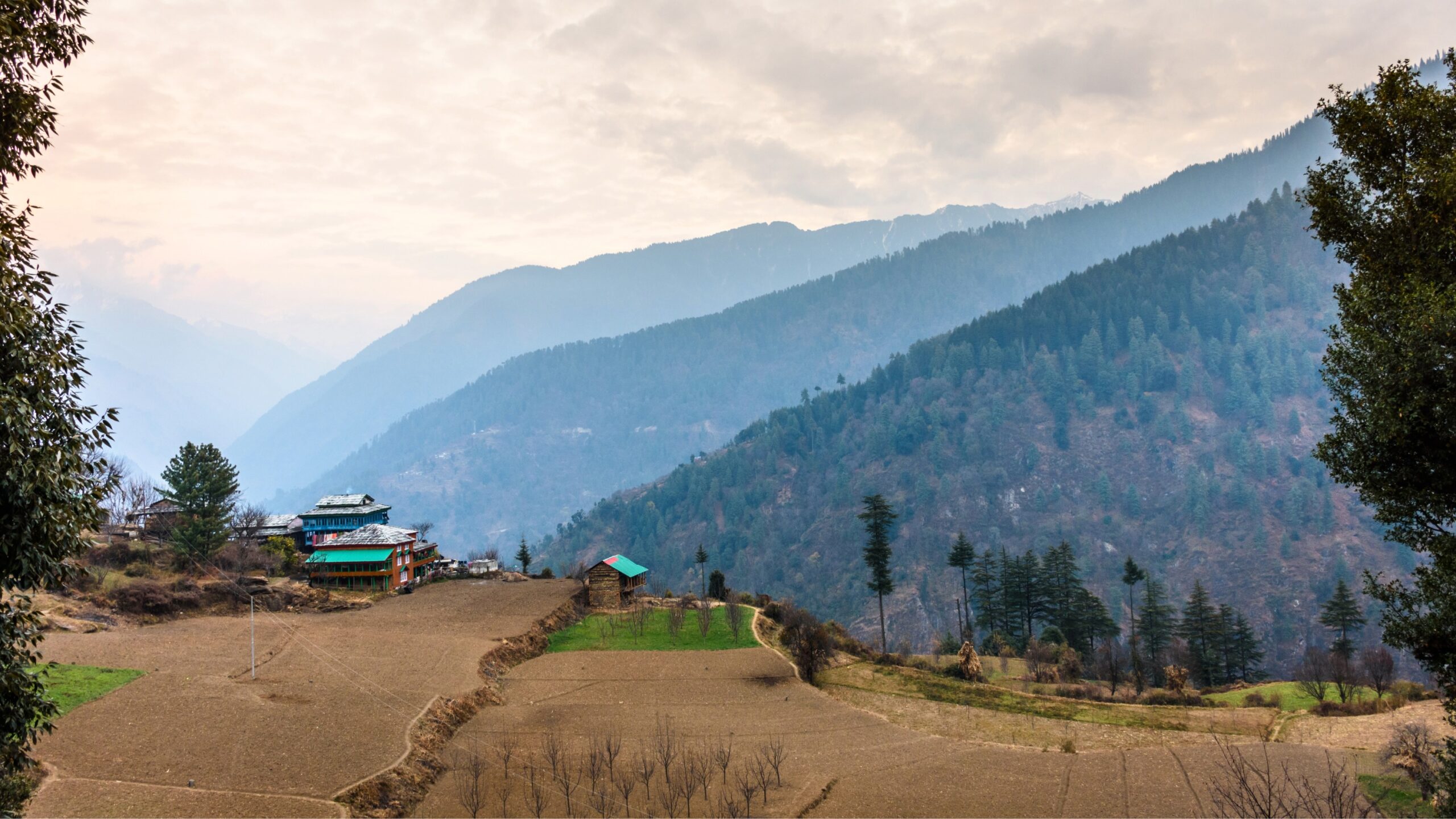
As you embark on your journey to Sainj Valley, remember that this hidden gem holds not only breathtaking landscapes but also a treasure trove of experiences waiting to be embraced. Whether you’re trekking through alpine meadows, engaging with the local culture, or simply basking in the tranquility, Sainj Valley offers a transformative escape from the ordinary. Just as the river’s current shapes the land, let the valley’s serenity shape your spirit. With responsible exploration and an open heart, your memories of Sainj Valley will linger, reminding you of the beauty that exists beyond the horizon. As John Muir aptly put it, “The clearest way into the Universe is through a forest wilderness.” Let Sainj Valley be your gateway to that universe of wonder and connection.