Spiti Valley, a remote and rugged region in Himachal Pradesh, India, is a paradise for adventure seekers and nature lovers. If you’re planning a trip to Spiti Valley in 2026, you’re in for an unforgettable experience. With its growing reputation as a hub for adventure, spirituality, and eco-conscious travel, Spiti offers something unique for every kind of traveler. In this article, we’ll provide you with a detailed Spiti Valley Circuit tour plan, including itineraries from Chandigarh and Shimla. Let’s get started!
Why Visit Spiti Valley in 2026?
Before we dive into the tour plan, let’s discuss why Spiti Valley is a must-visit destination.Spiti Valley is a remote and isolated region in the Himalayas, known for its untouched natural beauty, Buddhist culture, and rugged landscapes. In recent years, it has gained popularity as an eco-tourism destination, with travelers increasingly drawn to its sustainable tourism initiatives and efforts to preserve its pristine environment.
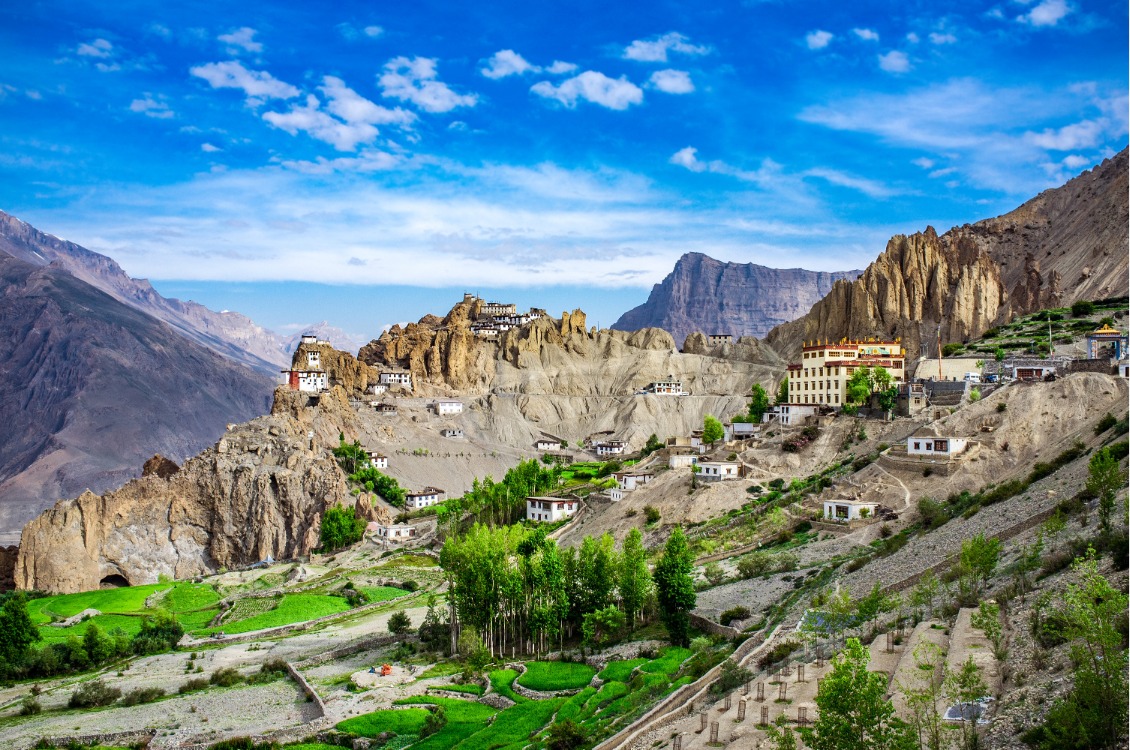
Spiti Valley is a perfect destination for those who love adventure, nature, and culture. Whether you’re a seasoned traveler or a first-time tourist, Spiti Valley has something for everyone.
Getting to Spiti Valley
Before we begin with the itineraries, it’s essential to know how to reach Spiti Valley. The closest major city to Spiti Valley is Shimla, which is well-connected to major cities in India by air, train, and road. Additionally, new helicopter services between Shimla and Kaza have been introduced in 2024, offering a faster and more scenic route for travelers.
If you’re coming from Shimla, you can take a bus or taxi to Kaza, the headquarters of Spiti Valley. The distance from Shimla to Kaza is around 415 km, and the journey takes around 15-17 hours. But you won’t be taking a direct one day journey to Kaza. That’s not the point of going to Spiti and Kaza.
Spiti Tour Itinerary from Chandigarh
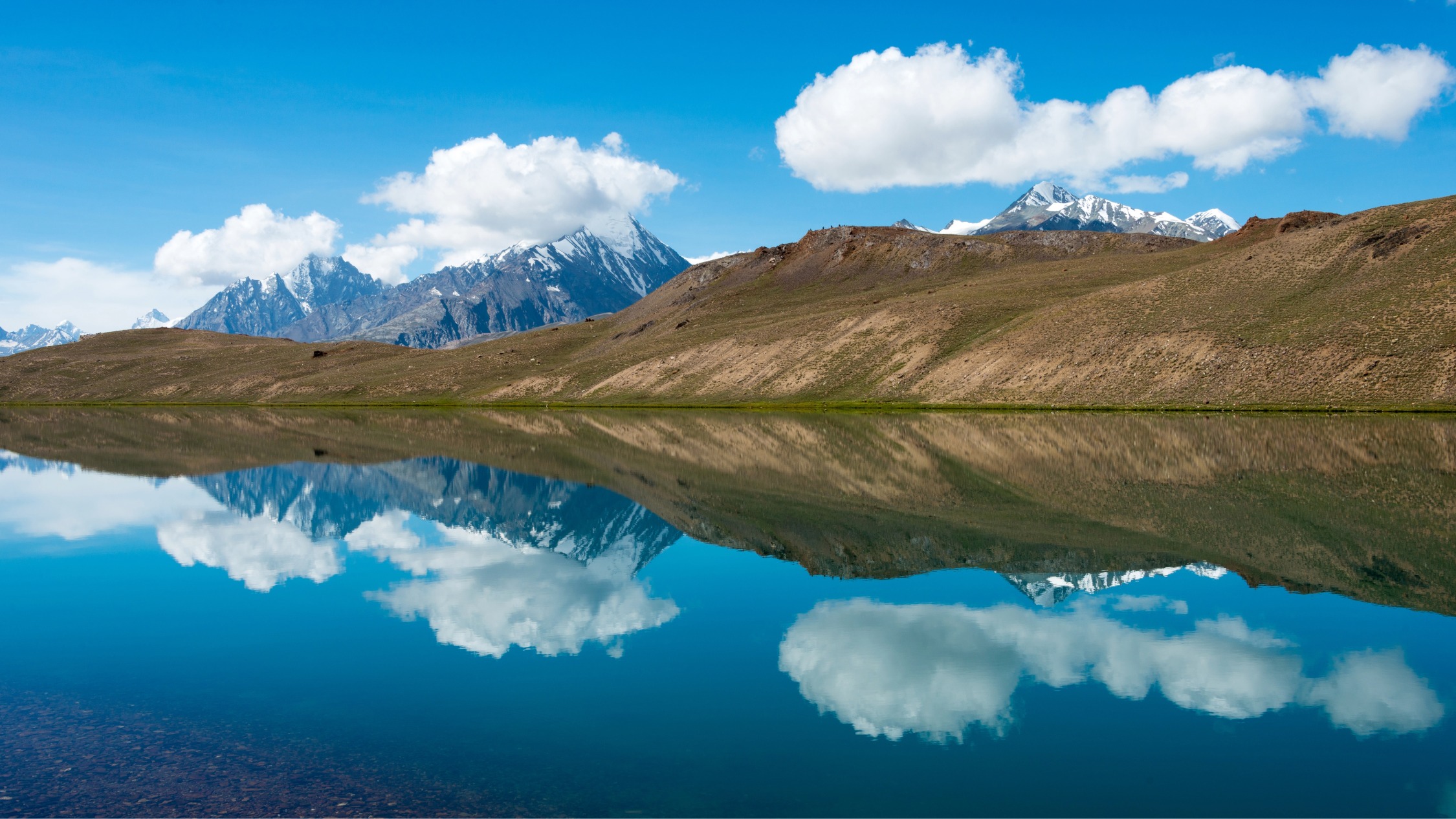
Here’s a detailed 10 Days Chandigarh-Spiti-Chandigarh itinerary for 2026, designed for a balanced mix of cultural immersion, adventure, and acclimatization. This plan avoids backtracking by creating a loop via Shimla and Manali, leveraging the Atal Tunnel for faster returns:
Day 1: Chandigarh → Narkanda (180 KM | 6–7 Hours)
Begin your journey from Chandigarh and drive towards the beautiful hill town of Narkanda. The route passes through scenic valleys, pine forests, and charming Himalayan settlements. As you ascend into the mountains, enjoy breathtaking views of the Shivalik and Himalayan ranges.
Spend the evening exploring Narkanda’s peaceful surroundings or take a short excursion to Hatu Peak, one of the highest points in the region offering spectacular panoramic views.
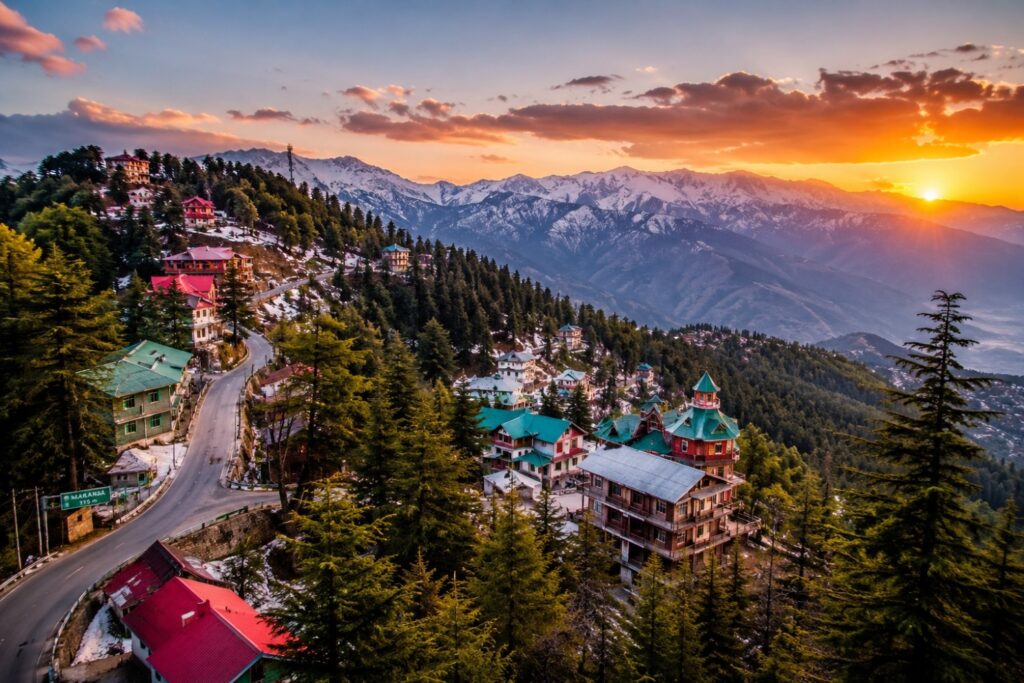
Day 2: Narkanda → Sangla (170 KM | 7–8 Hours)
After breakfast, continue your journey deeper into Kinnaur. Drive through Rampur and along the Sutlej River before entering the stunning Baspa Valley.Surrounded by towering mountains, apple orchards, and traditional Kinnauri villages, Sangla is one of the most picturesque destinations in Himachal Pradesh. Upon arrival, take a leisurely walk along the Baspa River and enjoy the tranquil beauty of the valley.Overnight stay in Sangla.
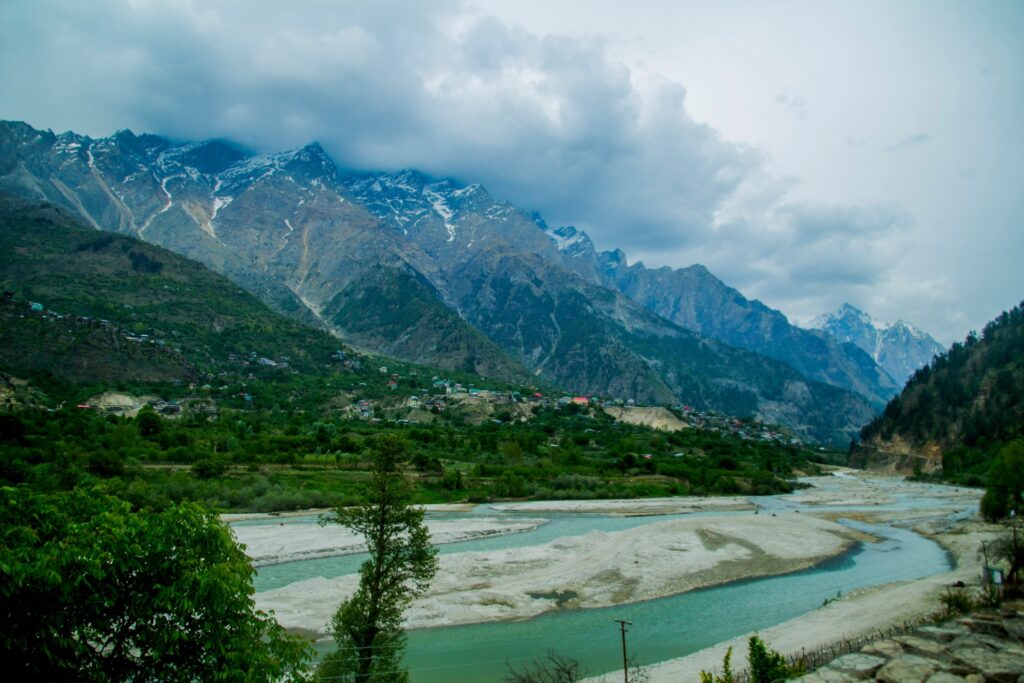
Day 3: Sangla → Kalpa (45 KM | 2–3 Hours)
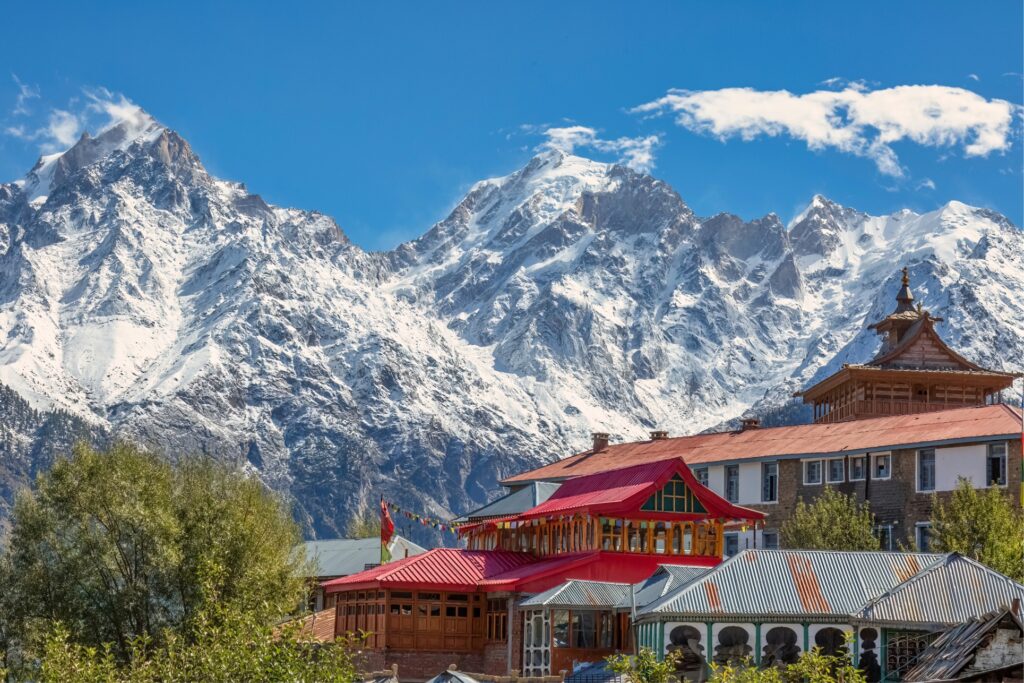
Start your day by exploring the attractions around Sangla including Kamru Fort and the beautiful village landscapes. Later, drive towards Kalpa, a charming town known for its unmatched views of the majestic Kinnaur Kailash Range. Visit Roghi Village and the famous Suicide Point viewpoint before spending the evening admiring the snow-clad peaks glowing during sunset. Overnight stay in Kalpa.
Day 4: Kalpa → Tabo (165 KM | 6–7 Hours)
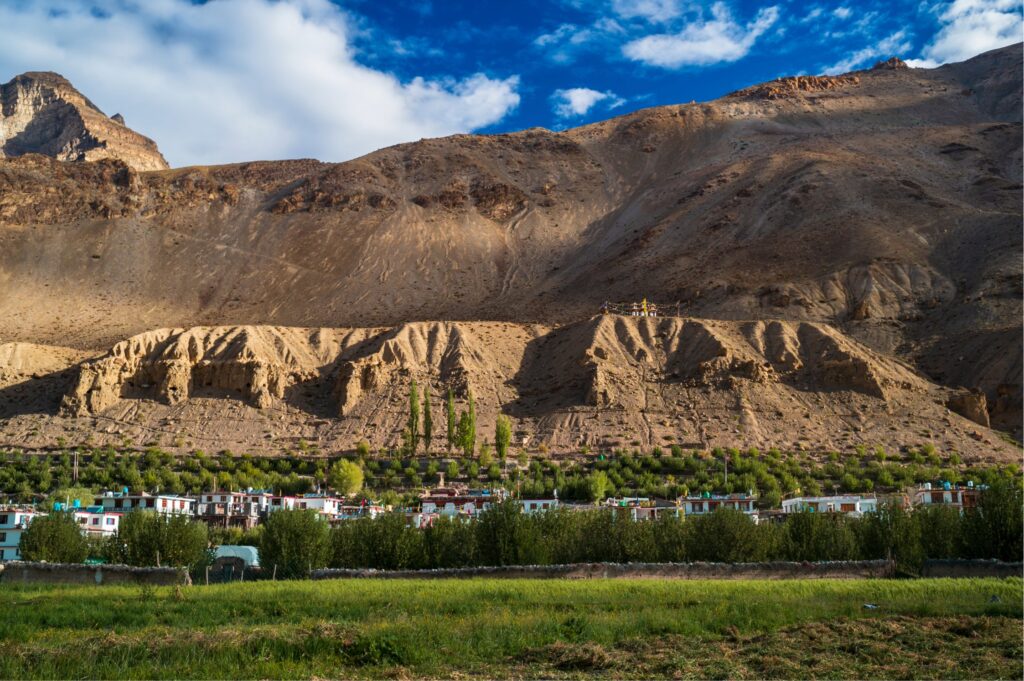
Today marks your entry into the enchanting Spiti Valley. Drive through dramatic mountain terrain as the lush greenery gradually gives way to the stark beauty of the cold desert. En route, visit Nako Lake, Gue Monastery, and the naturally preserved 500-year-old mummy of a Buddhist monk. Continue to Tabo and explore the ancient Tabo Monastery, one of the oldest Buddhist monasteries in the Himalayas. Overnight stay in Tabo.
Day 5: Tabo → Kaza (50 KM | 2–3 Hours)
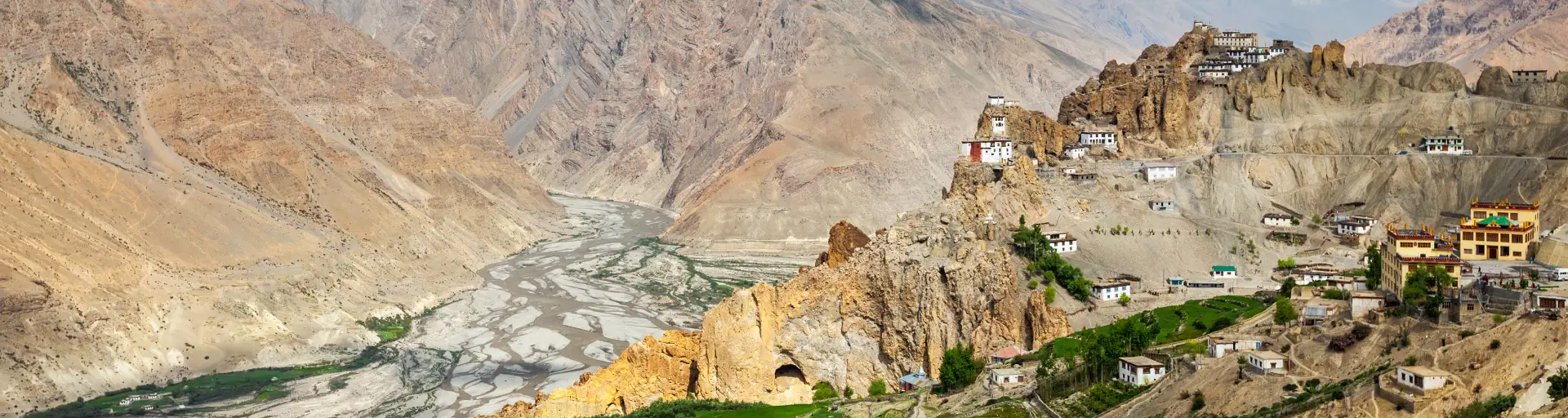
After breakfast, proceed towards Kaza. Visit the spectacular Dhankar Monastery perched dramatically on a cliff overlooking the Spiti Valley. Adventure enthusiasts can also opt for a short trek to the beautiful Dhankar Lake. Arrive in Kaza by evening and explore the local market and cafés. Overnight stay in Kaza.
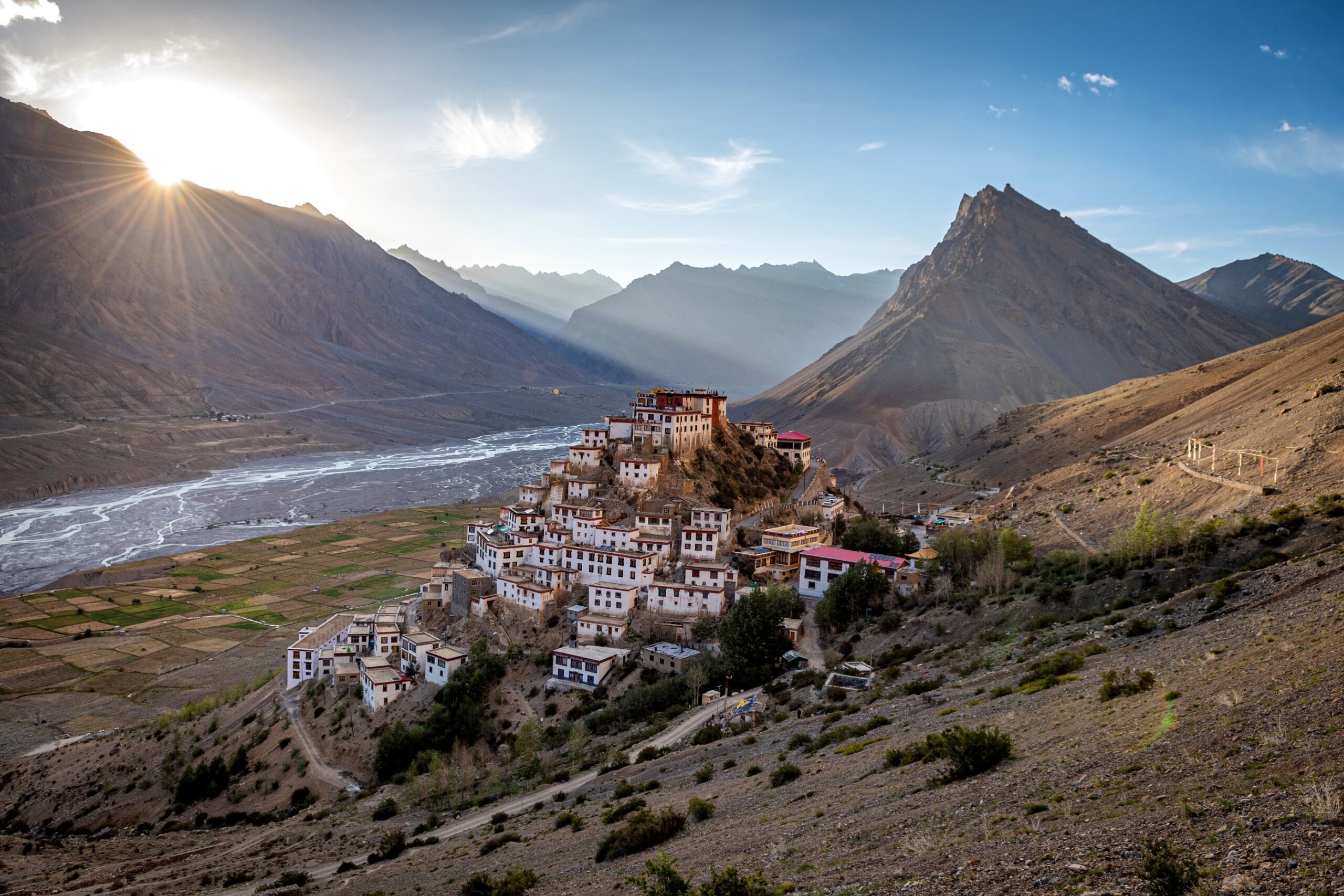
Day 6: Kaza Local Sightseeing
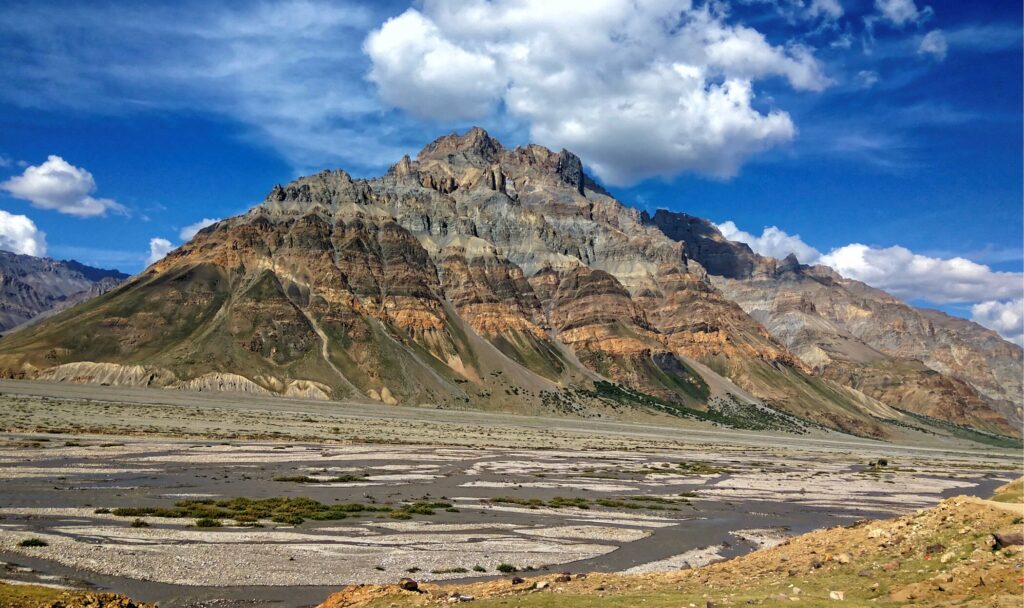
Dedicate the day to exploring the highlights of Spiti Valley. Visit Key Monastery, Kibber Village, Chicham Bridge, Hikkim Post Office, Komic Village, and Langza Village with its famous Buddha Statue overlooking the valley. Experience the unique culture, stunning landscapes, and peaceful atmosphere that make Spiti one of the most remarkable destinations in the Himalayas. Overnight stay in Kaza
Day 7: Kaza → Chandratal Lake (95 KM | 4–5 Hours)
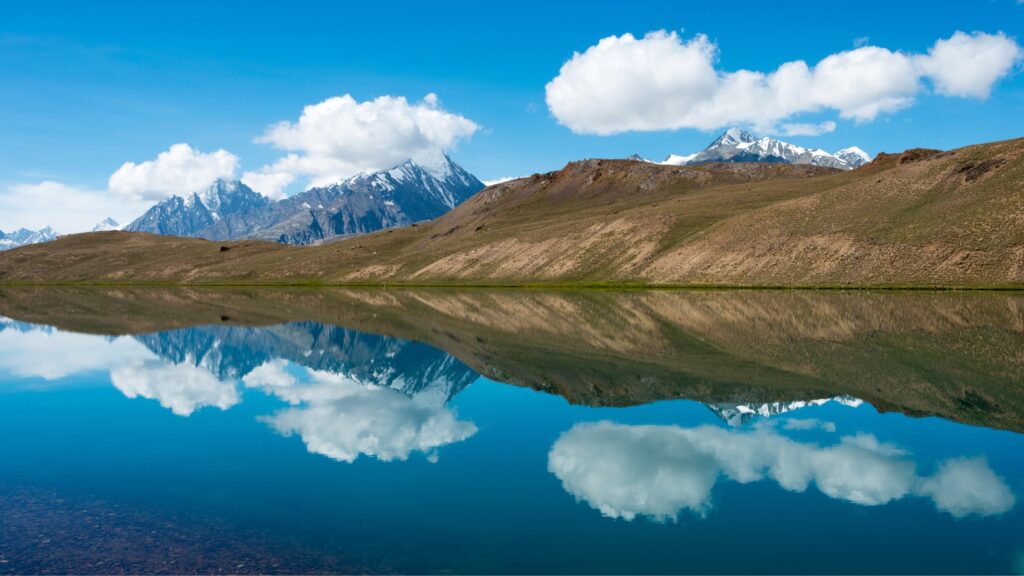
Leave Kaza and drive towards the mesmerizing Chandratal Lake via Losar and Kunzum Pass. The journey offers some of the most dramatic landscapes in the Himalayas. Upon reaching Chandratal, enjoy a short trek to the famous Moon Lake and spend the evening surrounded by breathtaking mountain scenery under a sky full of stars. Overnight stay in Chandratal Camps.
Day 8: Chandratal → Manali (130 KM | 6–7 Hours)
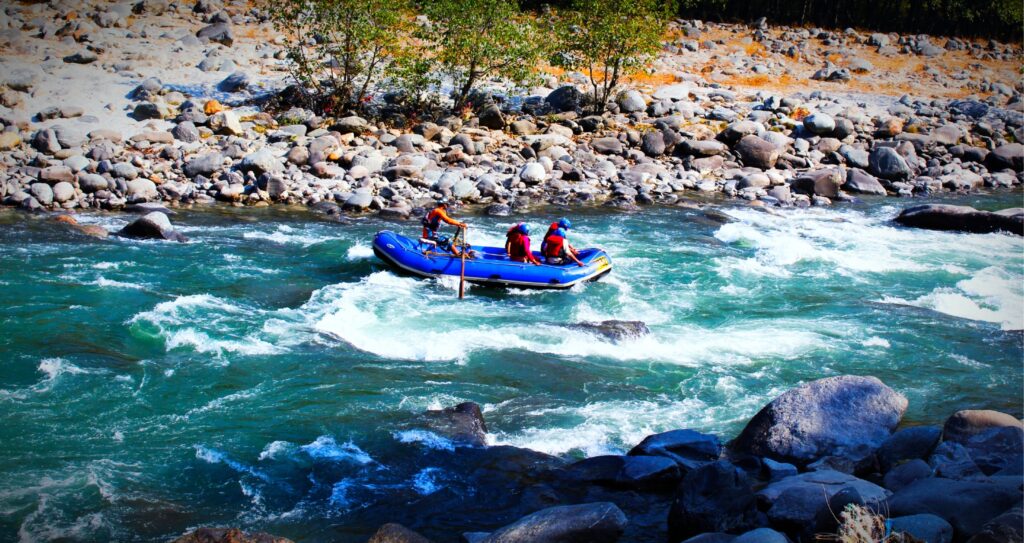
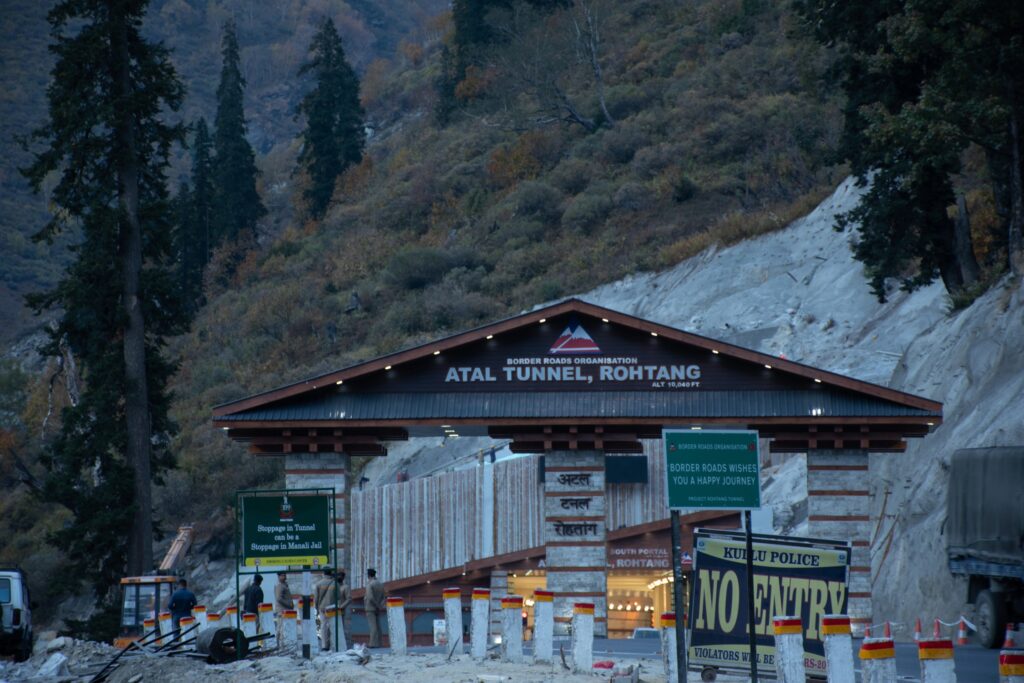
After breakfast, begin your adventurous drive towards Manali. Travel through Batal, Chhatru, and the beautiful Lahaul Valley before crossing the iconic Atal Tunnel. En route, stop at Sissu and enjoy its scenic waterfall and stunning valley views. Reach Manali by evening and relax after an exciting mountain journey. Overnight stay in Manali.
Day 9: Manali Local Sightseeing
Spend the day exploring the popular attractions of Manali. Visit Hadimba Devi Temple, Vashisht Temple & Hot Springs, Tibetan Monastery, Club House, Van Vihar, and Mall Road. Enjoy shopping, local cafés, and the vibrant atmosphere of this famous hill station. Overnight stay in Manali.
Day 10: Manali → Chandigarh (300 KM | 8–9 Hours)
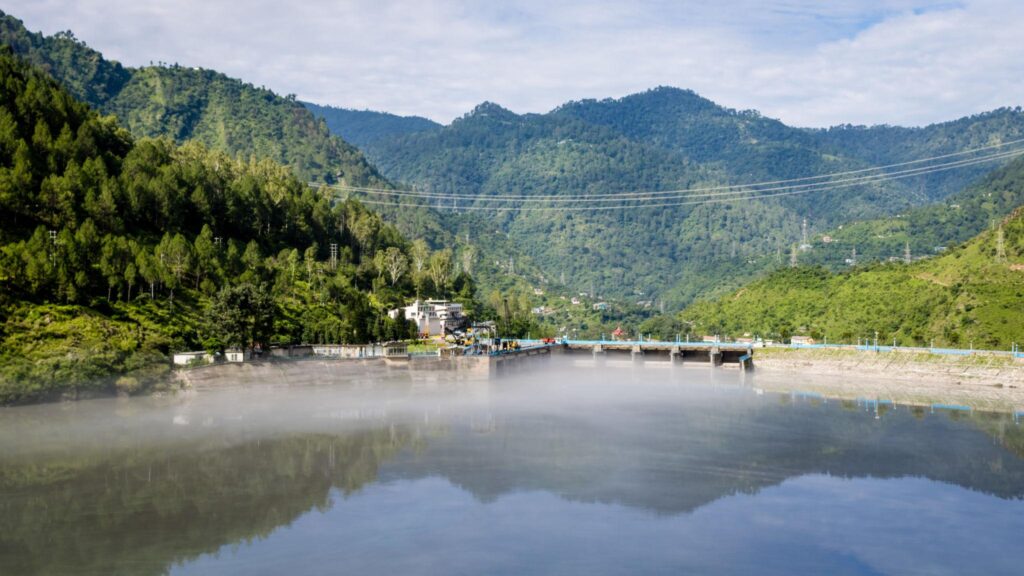
After breakfast, begin your return journey towards Chandigarh. Drive through the scenic Kullu Valley alongside the Beas River while enjoying the final views of the Himalayas. Arrive in Chandigarh by evening, concluding your unforgettable journey through Kinnaur, Spiti Valley, Chandratal, and Manali.
Tour Ends with Beautiful Memories of the Himalayas.
Spiti Tour Itinerary from Shimla
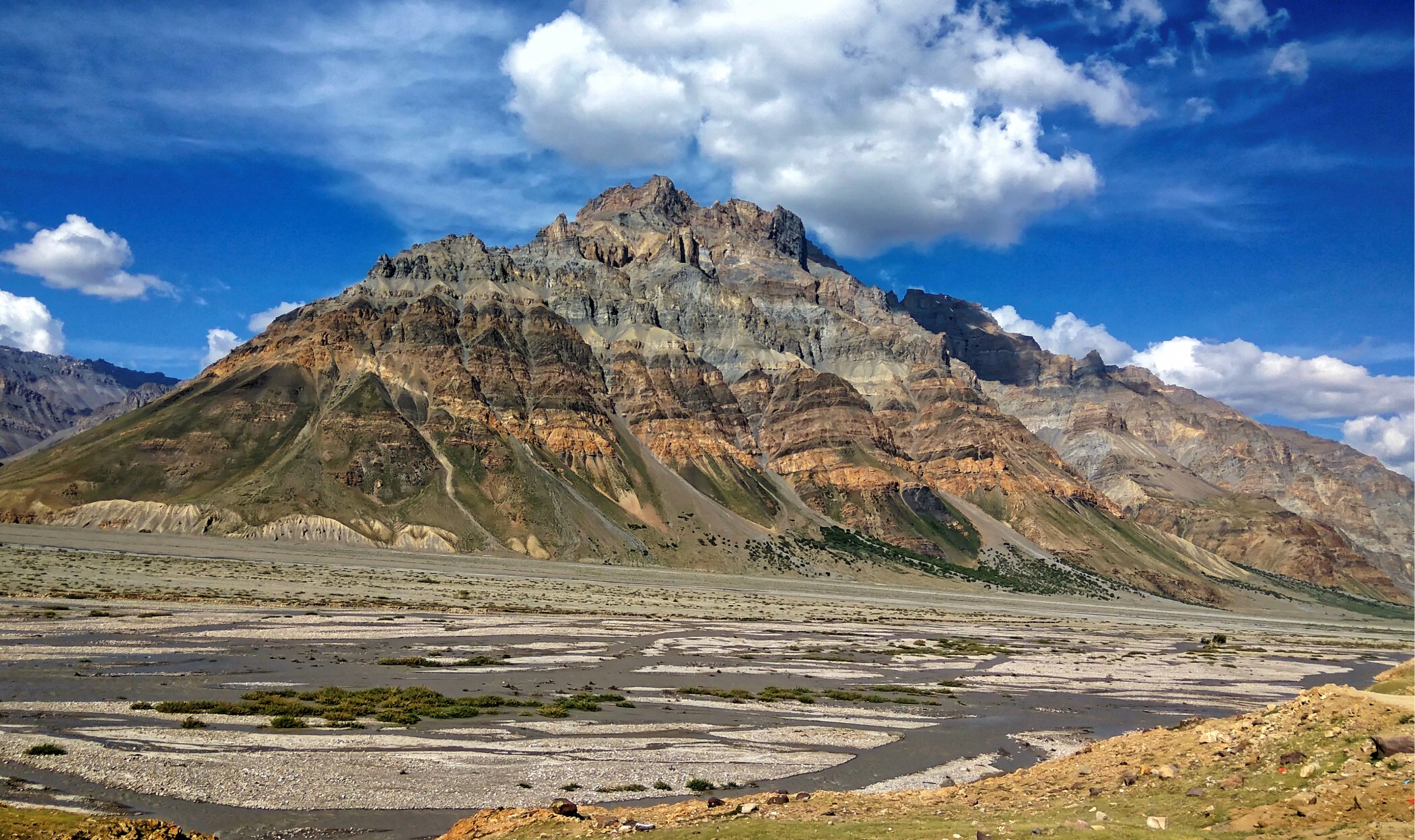
Here’s a revised 7-day Shimla-Spiti-Shimla itinerary with detailed daily descriptions, prioritizing realistic travel times, acclimatization, and key highlights while excluding the taxing Kaza-Chandratal-Narkanda leg. This plan focuses on Spiti’s core zones and ensures a comfortable return journey:
Day 1: Shimla → Sarahan (160 km / 5–6 hrs)
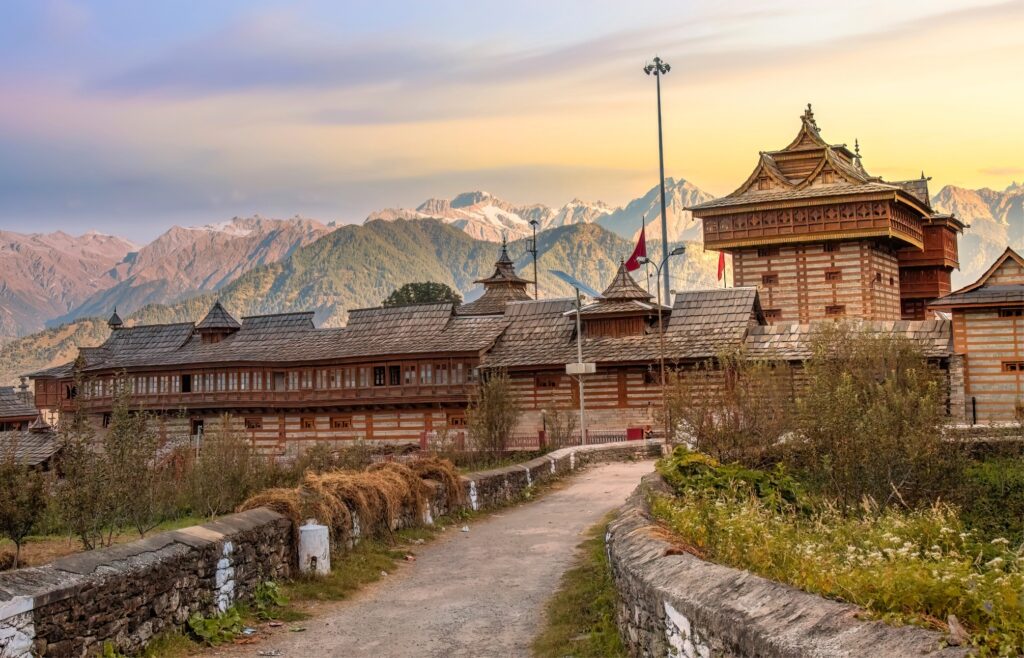
Begin your journey early, winding through apple orchards and pine forests toward Sarahan, a serene village nestled in the Kinnaur Valley. Stop at Hatu Peak near Narkanda for panoramic views of the Himalayas. Visit the UNESCO-tagged Bhima Kali Temple in Sarahan, a masterpiece of wood-carved architecture. The gradual ascent (1,500 m to 2,200 m) helps acclimatization. Stay overnight in a heritage homestay, savoring local Kinnauri dishes like siddu (steamed bread) and chana madra (yogurt-based curry).
Day 2: Sarahan → Kalpa (100 km / 4–5 hrs)
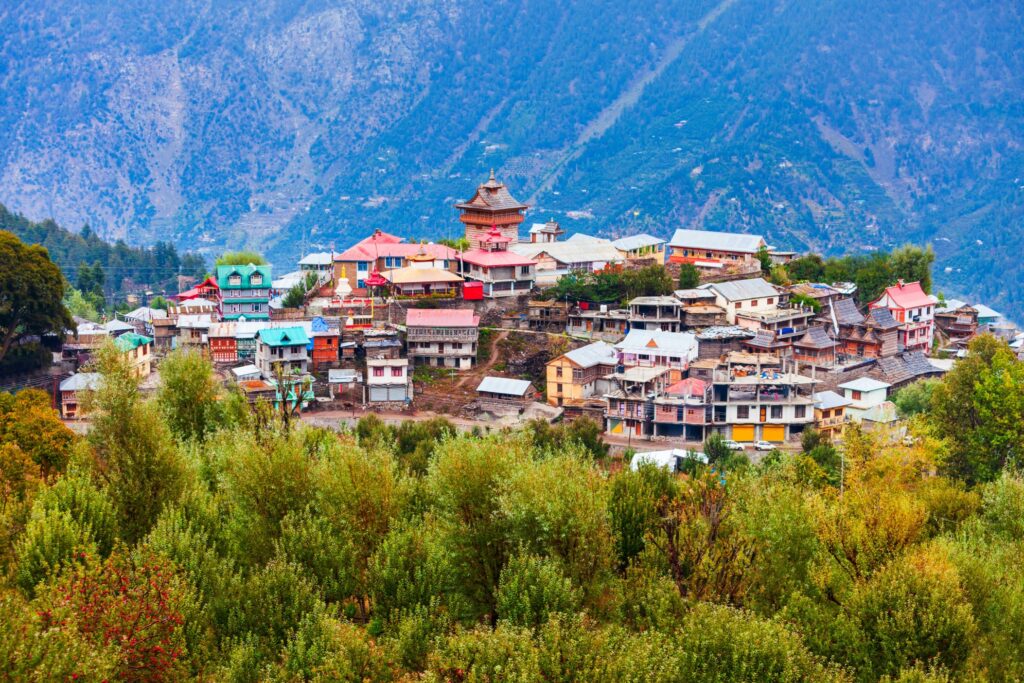
Drive along the Sutlej River to Kalpa, a quiet town facing the snow-capped Kinner Kailash Peak. En route, explore Roghi Village, famed for its hanging rock formations and apple orchards. In Kalpa, stroll through the Recong Peo Market to shop for Kinnauri shawls and dried apricots. Spend the evening soaking in sunset views of the Himalayas from your hotel. Kalpa’s elevation (2,960 m) prepares you for higher altitudes.
Day 3: Kalpa → Kaza (230 km / 9–10 hrs)

Embark on a scenic drive along NH505, entering the Spiti Valley. Stop at Nako Lake, a tranquil alpine lake surrounded by willow trees, and Gue Village to see the 500-year-old mummy of Lama Sangha Tenzin. Visit the Tabo Monastery, a 1,000-year-old UNESCO World Heritage Site adorned with Buddhist murals. Arrive in Kaza by evening and check into a cozy guesthouse. Enjoy a hearty meal of thukpa (noodle soup) and butter tea.
Day 4: Kaza & Key Monastery Exploration
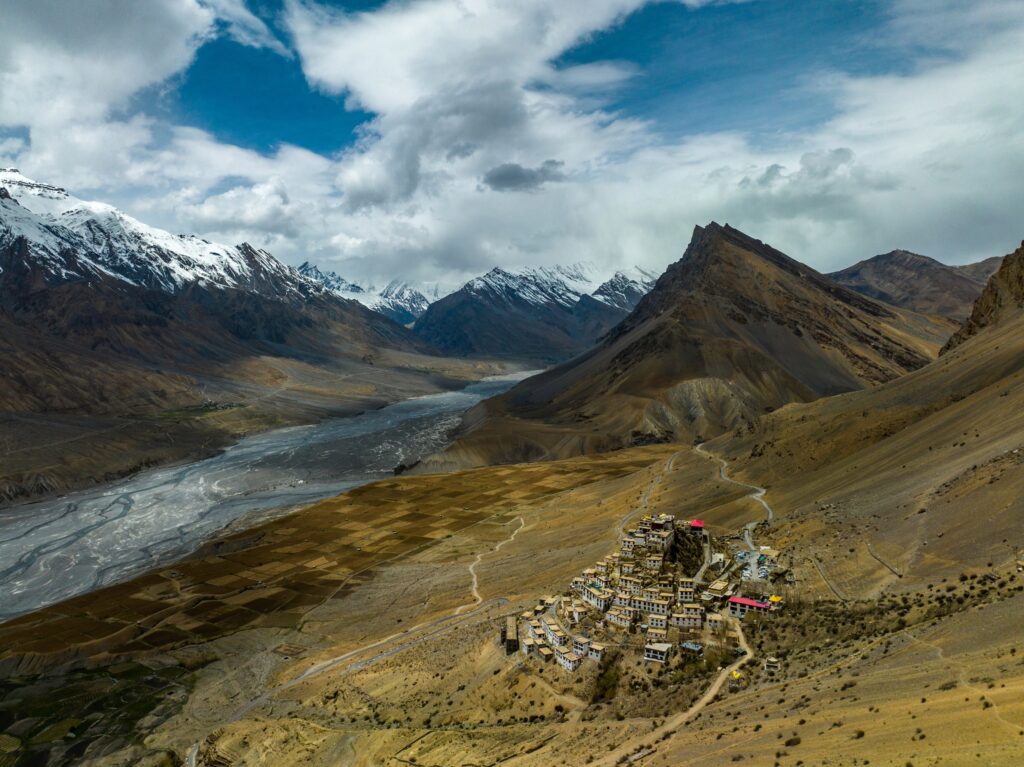
Dedicate this day to Spiti’s cultural heart. Visit the Key Monastery, a cliffside fortress monastery offering sweeping views of the Spiti River. Explore Kibber Village (4,270 m), once the world’s highest motorable settlement, and cross the Chicham Bridge, Asia’s highest suspension bridge. Return to Kaza for lunch and visit the Spiti Heritage Museum to learn about the region’s history. End the day with a stroll through Kaza’s market, picking up handmade woolen socks and Tibetan souvenirs.
Day 5: Day Trip to Pin Valley & Dhankar
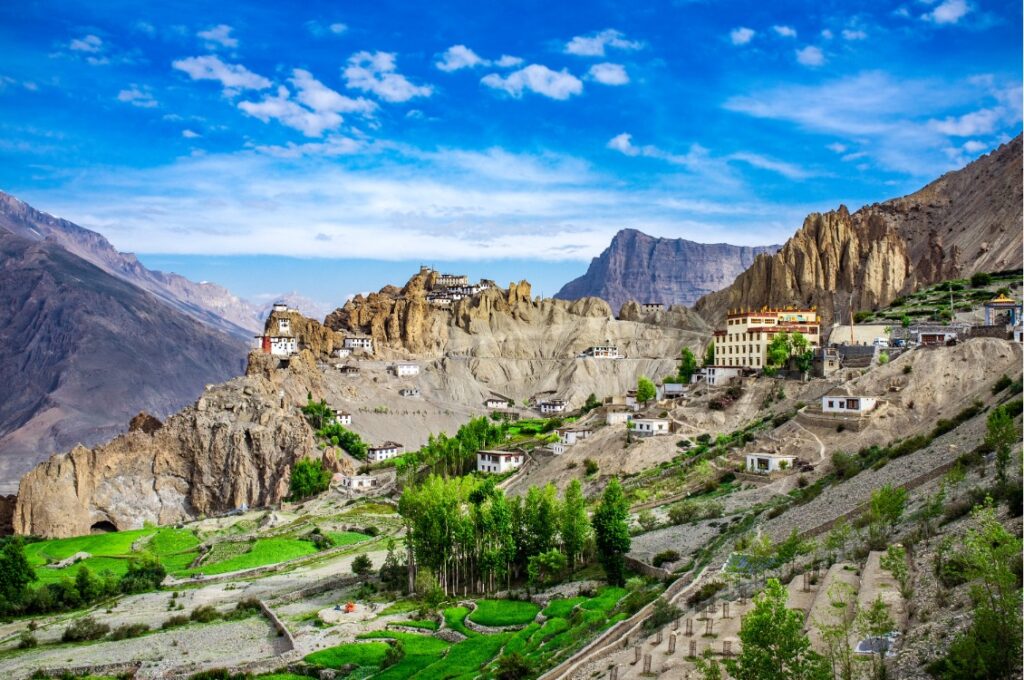
Drive to Pin Valley National Park, a starkly beautiful landscape dotted with ibex and snow leopards. Stop at Mudh Village, the valley’s last inhabited settlement, and hike to the Tara Mandir for panoramic views. Return via Dhankar Village, where you’ll hike to the turquoise Dhankar Lake (1-hour trek) and explore the precariously perched Dhankar Monastery. Return to Kaza by evening, and relax with a bonfire under Spiti’s star-studded sky.
Day 6: Kaza → Kalpa (230 km / 8–9 hrs)
Begin your return journey, retracing the route through Nako and Pooh. Stop at Tabo Monastery for a final glimpse of its ancient murals. In Gue, pick up locally made sea buckthorn jam. Reach Kalpa by evening and unwind with a hot meal of chhang (barley beer) and momo (dumplings). The descent to Kalpa’s lower altitude (2,960 m) eases pressure on your body.
Day 7: Kalpa → Shimla (260 km / 8–9 hrs)
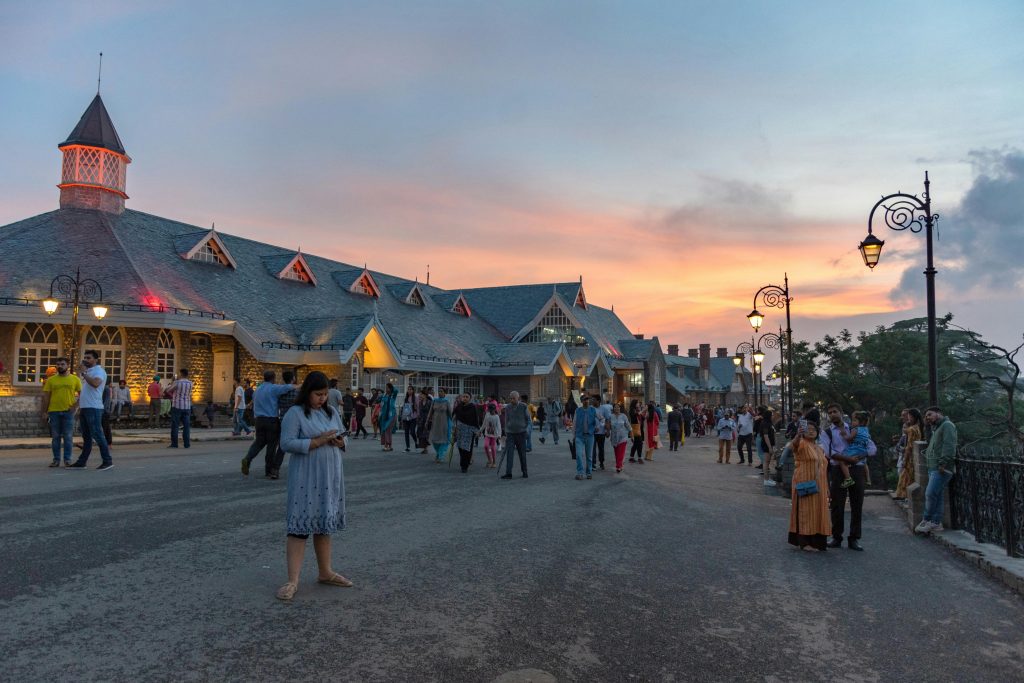
Depart early for Shimla, stopping at Sarchu Viewpoint for a final photo of the Sutlej Valley. In Narkanda, visit the serene Tanni Jubbar Lake surrounded by cedar forests. Arrive in Shimla by late afternoon, with time to explore the Mall Road or Viceregal Lodge. Celebrate your journey with a meal at a colonial-era restaurant like Cecil Oberoi.
Tips for Visiting Spiti Valley
Before you plan your trip to Spiti Valley, here are some essential tips to keep in mind:
- Permits: Indians don’t need a permit to visit Spiti Valley, but foreign tourists need an Inner Line Permit (ILP) to enter Spiti Valley. You can obtain the permit from the Deputy Commissioner’s office in Shimla or Kaza.
- Clothing: Spiti Valley can be very cold, especially in the winter, so pack warm clothing, including heavy woolen, gloves, and a warm hat.
- Health: Spiti Valley is a high-altitude region, and it’s essential to acclimatize yourself to the high altitude. Take plenty of rest, drink plenty of water, and avoid alcohol and smoking.
- Transportation: Spiti Valley has limited public transportation, so it’s best to rent a car or bike from Shimla or Chandigarh.
- Accommodation: Spiti Valley has limited accommodation options, so it’s best to book your accommodation in advance. You can find hotels, homestays, and camps in Kaza, Kibber, and Langza.
- Food: Spiti Valley is known for its delicious food, including traditional Tibetan and Himachali cuisine. Try local dishes like Thukpa, momos, and tsampa.
- Network: Spiti Valley has limited network connectivity, so it’s best to inform your family and friends about your itinerary and stay in touch through phone calls or messages.
(FAQ):
Q: What is the best time to visit Spiti Valley?
A: The best time to visit Spiti Valley is during the summer months from June to September. This period offers comfortable temperatures, clear skies, and favorable conditions for sightseeing and outdoor activities
Q: How do I stay safe while traveling in Spiti Valley?
A: To stay safe while traveling in Spiti Valley, follow these tips:
- Choose safe destinations like Kaza, Tabo, and Kibber.
- Stay aware of your surroundings and be vigilant, especially when alone in remote areas or with unfamiliar groups.
- Pack essentials like a fully charged power bank, torch, emergency medicines, and a first-aid kit.
Q: What are some hidden gems in Spiti Valley?
A: Some hidden gems in Spiti Valley include:
- Komic Monastery, Kye Gompa, Hikkim Village
- Gue Village, Komic Village
- Kibber Village, Langza Village
- Hikkim Village
Q: How can I connect with locals in Spiti Valley?
A: To connect with locals in Spiti Valley, consider the following tips:
- Interact with locals who can provide valuable insights and connect you with guides if needed for hikes or treks.
- Stay at local homestays to experience the culture and hospitality of the region.
- Learn some basic Hindi or English phrases to communicate with the locals.
Conclusion
Spiti Valley is a beautiful and remote region in Himachal Pradesh, India, known for its natural beauty, Buddhist culture, and rugged landscapes. Whether you’re a seasoned traveler or a first-time tourist, Spiti Valley has something for everyone. With our detailed Spiti Valley tour plan, you’re ready to explore this beautiful region like a pro.
Ready to explore the wonders of Spiti Valley? Start planning your 2025 adventure today by booking accommodations, obtaining permits, and preparing for an unforgettable journey into the heart of the Himalayas. Happy travels!
I hope this article helps you plan your trip to Spiti Valley. Don’t forget to share your experiences with us in the comments section below!